
Discovering cracks in your foundation or bowing basement walls is one of the most stressful moments a homeowner can face. If you are wondering whether cash home buying applies to a home with serious structural damage, understanding your options starts with knowing what that damage actually means for a sale.
Structural problems do not automatically mean your home is unsellable. They do, however, change who will buy it and how the process works. Homes with foundation damage, bowing walls, or significant settling are often called distressed properties, and they follow a different path to closing than a move-in ready home.
How Does Foundation Damage Affect Your Ability to Sell a House in Cincinnati?
Foundation issues are among the most serious problems a home can have. Unlike a leaky faucet or worn carpet, structural damage affects the building’s core integrity. Buyers, lenders, and inspectors treat it differently than almost any other defect.
What Counts as Structural Damage?
Structural damage goes beyond surface cracks. Common problems include:
- Horizontal cracks in poured concrete or block basement walls
- Stair-step cracks in brick or mortar joints
- Bowing or leaning walls that push inward under soil pressure
- Uneven floors caused by settling or shifting footings
- Gaps between walls and ceilings that indicate movement in the frame
Each of these conditions tells an inspector that the home has experienced movement beyond normal settling. Older homes can have foundation concerns related to drainage, settlement, prior repairs, construction methods, or soil conditions, but the cause should be evaluated property by property.
How Disclosure Laws Apply in Ohio
Ohio requires sellers to disclose known material defects, and foundation problems clearly qualify. You must report any known structural damage on the Ohio Residential Property Disclosure Form before a sale closes. Trying to hide cracks or cover up wall movement with paint or drywall can expose you to legal liability even after closing. Honesty is the safest path, and it also sets realistic expectations for buyers.
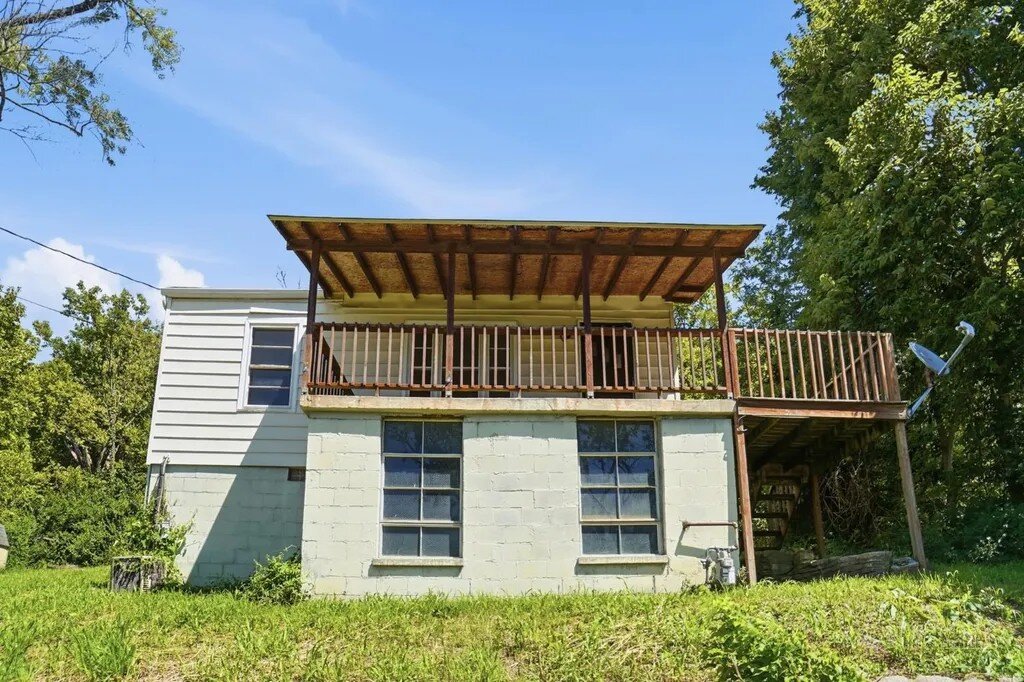
Will a Traditional Buyer Get a Mortgage on a House With Structural Problems?
This is often the biggest obstacle sellers face. Even when a buyer is willing to purchase a home with foundation issues, their lender may not allow the loan to proceed.
How Lenders View Structural Defects
Mortgage lenders use the home as collateral for the loan. If the home has known structural defects, the lender faces the risk that the property could lose value or become uninhabitable. Most conventional loans, FHA loans, and VA loans require the home to meet minimum property condition standards. A home with basement wall cracks, active water intrusion, or documented foundation movement will often fail that review.
When the appraisal comes back flagged with structural concerns, the lender will typically require repairs before approving the loan. This creates a problem for sellers who cannot afford those repairs upfront, or who simply do not want to invest money into a home they are trying to sell.
What Happens When a Deal Falls Through
Sellers of structurally damaged homes often go through a frustrating cycle. A buyer makes an offer, the inspection reveals foundation problems, the lender pulls back, and the deal collapses. Sometimes this happens two or three times before the seller realizes the traditional market is not a realistic path forward.
Why Agents Often Decline to List These Homes
Many real estate agents in Cincinnati will be upfront with you: they cannot list a home they cannot sell. A home with significant structural damage is difficult to photograph well, difficult to show, and nearly impossible to get through a conventional financing process. That is not a criticism of agents. It is simply a reflection of how the traditional market works. When a property falls outside that market, a different type of buyer becomes the practical solution.
What Happens When You Sell a Structurally Damaged Home to a Cash Buyer?
Selling to a cash buyer is a fundamentally different experience than listing on the open market. The process is designed for exactly this kind of situation.
No Repairs Required
When you work with us, you do not need to fix anything before selling. We buy properties in their current condition, which means the foundation cracks, the bowing walls, and any other damage stay as-is. Our offer reflects the home’s condition, so there are no surprises later asking you to fund repairs or lower your price after inspection. What we offer is what you receive at closing.
This is the core reason that “we buy ugly houses in Cincinnati” is more than a slogan. It describes a real category of homes that the traditional market has no practical way to handle, and a real process for getting sellers out of those homes without adding more financial stress.
How We Assess a Structurally Damaged Property
We look at the full picture when evaluating a home with foundation issues. That includes the type and severity of the structural problem, the age and location of the home, the cost of likely repairs, and the current value of similar properties in the area. We do not need a lender’s approval to move forward. We make our own assessment and bring a straightforward cash offer based on honest math.
The Timeline and What to Expect
Some sellers need to move forward because of financial pressure, an estate situation, or a pending divorce. Others need more flexibility to make arrangements. When you sell directly to a cash buyer, the closing schedule may offer more flexibility because the transaction does not depend on traditional buyer mortgage approval. The specific timeline can still depend on factors such as title issues, liens, ownership questions, and other transaction requirements.
Ohio Cash Buyers handles the paperwork, coordinates with a title company, and guides you through each step of the process. When no real estate agent is involved in the transaction, sellers may also avoid traditional agent commissions. The offer is based on the home in its current condition, allowing you to evaluate the sale without first completing repairs or updates.
Frequently Asked Questions
Can I sell my Cincinnati home if it has major foundation cracks?
Selling a home with major foundation cracks through the traditional market is difficult because most lenders will not approve financing on a property with known structural defects. Working with a cash buyer removes the lender from the equation entirely, which means the sale can move forward regardless of the foundation’s condition.
Do I have to disclose foundation problems when selling in Ohio?
Ohio law requires sellers to disclose known material defects, and foundation damage falls squarely into that category. Failing to disclose structural issues you are aware of can lead to legal claims even after the sale closes. Being upfront about the damage protects you and helps set accurate expectations with any buyer.
How does Ohio Cash Buyers determine an offer price for a house with structural damage?
We evaluate the property based on its current condition, the estimated cost of necessary repairs, and the value of comparable homes in the Moraine or Dayton area. The written offer and purchase agreement should clearly identify the price, any buyer-side fees or adjustments, and which closing costs each party is responsible for.
Need to sell your house fast?
Get a fair cash offer today. No repairs, no fees, no pressure — we can often close in just a few days.
Talk to a local buyer
Cincinnati (513) 815-5000
Dayton (937) 756-5000