
When a parent or grandparent passes away and leaves behind a home, figuring out how to sell an inherited house fast in Ohio can get complicated, especially when multiple heirs are involved. This guide walks you through the legal realities, common disputes between heirs, and the fastest ways to divide sale proceeds fairly so everyone can move forward.
What Happens When Ohio Heirs Cannot Agree on Selling an Inherited House?
Inheriting a home with siblings or other family members often feels straightforward at first. Then reality sets in. One heir wants to sell immediately. Another wants to keep the property. A third lives out of state and just wants their share of the money. These disagreements are more common than most families expect, and they can stall the estate for months or even years.
Why Disagreements Happen So Often
Most disputes come down to a few core issues: emotional attachment, financial need, and differing timelines. One heir might have childhood memories tied to the home and resist selling it. Another might be dealing with debt and needs their share of the estate proceeds split in Ohio as quickly as possible. These competing priorities can create real tension inside families that were otherwise close.
The legal reality in Deer Park, Ohio is that no single heir can force a sale on their own, and no single heir can block one permanently either. Every co-owner has rights, and those rights must be respected throughout the process.
What the Probate Process Looks Like for Inherited Homes
Before any sale can occur, the property typically must go through probate, the legal process Ohio courts use to transfer ownership from the deceased to their heirs. If there is a valid will, the executor named in that will manages the process. If there is no will, the court appoints an administrator.
Probate in Ohio can take anywhere from a few months to over a year, depending on the complexity of the estate, the number of heirs, and whether any disputes arise. During this time, someone still has to pay the mortgage, property taxes, utilities, and maintenance. Those ongoing costs can eat into the final proceeds if the process drags on.
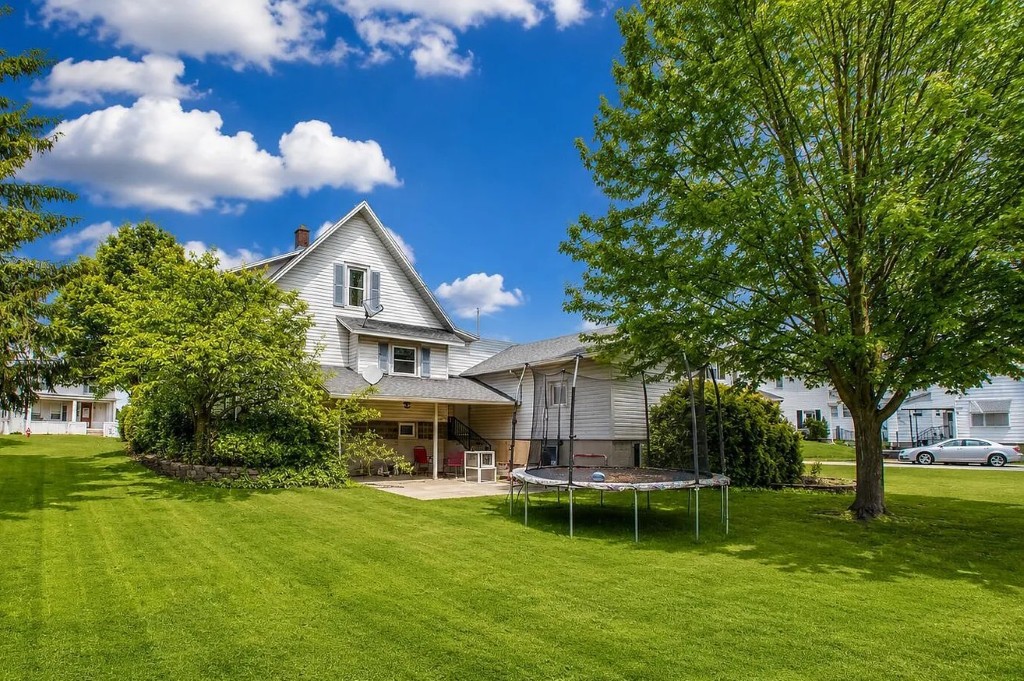
How Ownership Is Shared Among Multiple Heirs
Once probate concludes, heirs typically receive ownership as tenants in common. This means each heir owns a percentage share of the property, but no single person owns any specific part of it. One heir cannot sell the kitchen, and another can sell the backyard. They each own a fractional interest in the whole property.
This setup sounds simple, but it creates real complications when heirs disagree. No heir can be forced out, and no heir can be ignored. Every decision about the property, including whether to sell it, generally requires agreement from all co-owners.
What Is a Partition Action and When Would Ohio Heirs Need One?
When heirs cannot reach an agreement on their own, Ohio law provides a legal remedy called a partition action. A partition action is a lawsuit filed in an Ohio probate or civil court that asks a judge to resolve a dispute over jointly owned property.
Two Types of Partition in Ohio
There are two main types of partition under Ohio law. The first is partition in kind, where the court physically divides the property among the heirs. This rarely works for a single-family Fairborn home because you cannot split a house into separate livable pieces. Courts rarely use this option for residential properties.
The second type is partition by sale, which is far more common for inherited homes. The court orders the property to be sold, often at public auction, and the proceeds are divided among the heirs according to their ownership shares. A forced sale of inherited property in Ohio through partition typically results in a lower sale price than a private-market sale because auction buyers expect a discount.
How Long Does a Partition Action Take in Ohio
Filing a partition action is a legal process, and legal processes take time. From the initial filing to a final court order, partition actions in Ohio can take anywhere from six months to two years, depending on the court’s schedule, the number of heirs involved, and whether any heir contests the action. Attorney fees and court costs also reduce the amount everyone receives at the end.
This is why partition is often described as the option of last resort. It resolves the dispute, but it costs everyone time and money.
Who Can File a Partition Action in Ohio
Any co-owner of the property can file a partition action. You do not need the agreement of other heirs to start the process. If you are one of several heirs and the others refuse to cooperate with a reasonable sale, speaking with an Ohio probate attorney about partition is a legitimate option. That said, many families find that raising the possibility of partition is enough to bring reluctant heirs back to the table for a voluntary agreement.

How Can Selling an Inherited House Fast to a Cash Buyer Solve Heir Disputes in Ohio?
A voluntary sale agreed upon by all heirs is almost always faster, cleaner, and more profitable than a court-ordered partition. And for families in the Holland, OH, and Dayton areas, selling to a cash buyer is often the fastest path to closing that sale and distributing proceeds to everyone involved.
Why a Cash Sale Resolves Disputes Faster
A traditional home sale through a real estate agent involves repairs, showings, negotiations, and financing contingencies. That entire process can take three to six months, and every additional month means more carrying costs and more opportunities for inheritance disagreements to resurface.
A cash sale removes most of those steps. We can make an offer on an inherited home in its current condition, without requiring repairs or updates. There are no lender timelines to wait on, and closing can typically happen in as little as two to three weeks. For heirs who are anxious to move forward and divide proceeds, that speed matters enormously.
What the Process Looks Like With Us
When families reach out to us about a home sale with multiple heirs, here is how we approach it. We start with a straightforward conversation to understand the situation. Then we evaluate the property and make a fair, no-obligation cash offer. We can work with the executor or all co-owners, depending on where the estate stands in the probate process.
We handle the paperwork, coordinate with the title company, and keep the process as simple as possible for everyone involved. If the heirs are split between Cincinnati and Dayton, or spread across different states entirely, that is not a problem. We are experienced with remote closings and can accommodate different schedules.
How Proceeds Get Divided After the Sale
Once the sale closes, the net proceeds are distributed according to each heir’s ownership percentage, as established during probate. If one heir owns 50 percent and the other two each own 25 percent, the proceeds are split accordingly after any outstanding debts, taxes, or estate costs are paid.
This is the cleanest form of inheritance dispute resolution available: a fair price, a fast closing, and a clean split that everyone agreed to. If you are ready to sell your inherited house fast in Ohio and move on, we are here to help make that happen.
We work with families throughout southwestern Ohio, including the Cincinnati and Dayton areas, to help heirs sell inherited homes quickly and without unnecessary stress. If your family is navigating a difficult estate situation, reach out to us for a no-pressure conversation and a fair cash offer.
Frequently Asked Questions
Can one heir force the sale of an inherited house in Ohio?
No single heir can force a sale on their own, but they can file a partition action in an Ohio court to request that a judge order the property sold. This process can take months and reduce the final proceeds for everyone, so a voluntary agreement is almost always the better path forward.
How long does it take to sell an inherited house in Ohio?
A traditional listing can take three to six months or longer. However, the timeline depends on where the estate is in probate and whether all heirs agree on the sale. We can often close a cash sale within two to three weeks once all heirs are aligned and probate requirements are met.
How do multiple heirs split the money from an inherited house sale?
After the sale closes, proceeds are divided based on each heir’s ownership percentage as determined during probate. Any outstanding debts, property taxes, or estate costs are paid first, and the remaining amount is distributed to each heir according to their share.
Need to sell your house fast?
Get a fair cash offer today. No repairs, no fees, no pressure — we can often close in just a few days.
Talk to a local buyer
Cincinnati (513) 815-5000
Dayton (937) 756-5000