
If you are selling a home in Dayton, OH, the Ohio Residential Property Disclosure Form may be an important part of the transaction. At Ohio Cash Buyers, we encourage sellers to understand what the form asks before completing it, because Ohio law focuses on the seller’s actual knowledge of the property rather than requiring a new inspection.
Ohio Revised Code §5302.30 applies to many transfers of one-to-four-unit residential property, subject to statutory exemptions. For a covered sale, the disclosure form should be completed in good faith and provided as required by law, with known conditions and material defects reported accurately rather than guessed at or concealed.
How Is the Ohio Residential Property Disclosure Form Organized?
The Ohio Residential Property Disclosure Form is divided into clearly labeled sections, each focusing on a specific area of the home. Understanding how the form flows makes it much easier to work through accurately.
The Opening Declaration
At the top of the form, sellers confirm their relationship to the property and acknowledge that the information they are providing is truthful to the best of their knowledge. This opening section sets the legal tone for everything that follows. You are not being asked to be a home inspector. You are being asked to share what you actually know as the current or recent owner.
Categories Covered in the Form
The body of the form moves through major property systems and physical conditions, including:
- Roof and attic condition and any known leaks or repairs
- Basement and crawl space, including moisture, flooding history, or water intrusion
- Structural defects such as foundation issues, wall cracks, or settling problems
- HVAC systems, including the age, condition, and any known repair history for heating and cooling equipment
- Plumbing and electrical systems, covering water pressure, pipe material, and wiring condition
- Water source and sewage, whether the home is connected to public utilities or relies on a well or septic system
- Environmental hazards, such as the presence of lead paint, radon, mold, or underground storage tanks
- Zoning and land use, including any known easements, boundary disputes, or HOA obligations
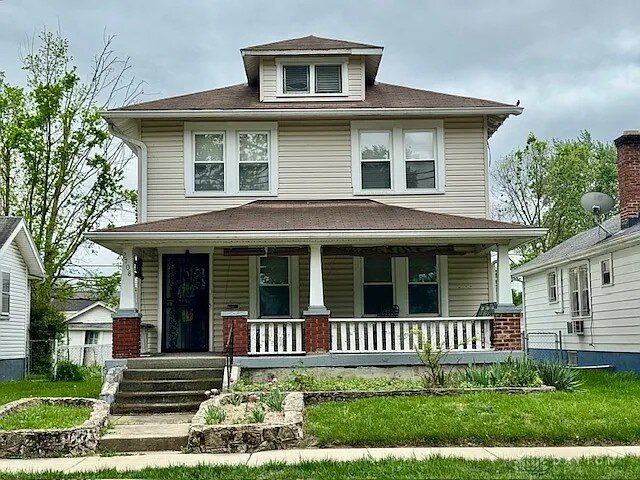
Each category contains specific yes-or-no questions followed by space for explanation. If you answer “yes” to any question, you are expected to describe the issue in detail.
The Final Signature Section
The form closes with signature lines for all sellers and, after review, the buyer. Both parties sign to confirm the disclosure was received and reviewed before the purchase agreement was finalized. This signature creates a legal record that the buyer was informed.
Which Sections Trip Up Dayton Sellers the Most?
Certain parts of the Ohio disclosure form cause more confusion than others. Knowing where sellers commonly stumble can help you move through the form with more confidence.
Water Damage Disclosure
Water damage disclosure is one of the most frequently mishandled sections on the form. Sellers sometimes forget about a leak from years ago, or they assume a repaired issue no longer needs to be mentioned. Ohio law does not work that way. If you knew about a water problem at any point during your ownership, even if it was fixed, you are generally expected to disclose it.
Structural Defects and Foundation Questions
The structural defects section asks about visible cracks, settling, or any known movement in the foundation or load-bearing walls. This section trips sellers up because the questions can feel vague. What counts as a “crack”? Does normal settling matter?
The answer is to err on the side of disclosure. If you notice something, write it down. If a contractor came out to evaluate a crack, mention that.
HVAC Systems and Age of Mechanicals
Sellers often do not know the exact age of their furnace, air conditioner, or water heater. The form asks about the condition and known repair history of these HVAC systems, and many sellers guess or leave the space blank.
A better approach is to check paperwork, look for installation stickers on the units themselves, or simply write “approximate” before your estimate. Honesty about uncertainty is always better than a confident wrong answer.
How Should Sellers Answer Questions When They Are Unsure of the Facts?
One of the most common questions sellers ask us is what to do when they genuinely do not know the answer to something on the form. Ohio’s disclosure rules are designed with this in mind.
The “No Representation” Option
The Ohio Residential Property Disclosure Form includes a “no representation” option for certain questions. This is not the same as saying “no problem exists.” It means you, as the seller, do not have enough information to make a statement either way. Using this option honestly is acceptable. Using it to avoid disclosing something you actually know about is not.
When to Pull Old Records
Before completing the form, take some time to gather what you have. Look through old home inspection reports, permits pulled for renovations, invoices from contractors, and any insurance claims related to the property. These records can help you answer questions with accuracy rather than guessing.
For sellers who have owned a Dayton property for many years, it is worth thinking back through any major work done on the home, from roof replacements to basement waterproofing to electrical panel upgrades. Each of those events may be relevant to a section of the form.
Working with a Real Estate Attorney
Ohio real estate forms can raise questions that go beyond what a seller can answer on their own. If a situation feels legally complicated, speaking with a licensed Ohio real estate attorney before completing the disclosure is a reasonable step. This is especially true for properties with known environmental concerns, ongoing disputes, or significant deferred maintenance.
At Ohio Cash Buyers, we work with sellers across Dayton and Franklin, OH who are navigating the disclosure process alongside other challenges, whether that is an inherited property, an estate sale, or a home that needs significant repairs. The disclosure form applies in nearly all of these situations.
Frequently Asked Questions
What happens if I forget to disclose something on the Ohio Property Disclosure Form?
Failing to disclose a known defect can expose you to legal liability even after the sale has closed. Ohio courts have held sellers responsible for damages when buyers can prove the seller had knowledge of a problem and did not report it. The safest approach is always to disclose what you know and let the buyer make an informed decision.
Do Dayton sellers have to disclose repairs that were already fixed?
Completed repairs generally still need to be disclosed if you were aware of the underlying problem during your ownership. Ohio’s property condition disclosure standard is based on your knowledge as the owner, not just the current state of the home.
Can we help sellers who are unsure how to complete the disclosure form?
We are not attorneys and cannot provide legal advice, but we do work with many Dayton and Cincinnati sellers who have questions about the process. We take the Dayton, OH seller disclosure form requirements seriously, and we are always willing to walk through the basics with sellers who come to us with questions about how a cash sale might affect their situation.
Need to sell your house fast?
Get a fair cash offer today. No repairs, no fees, no pressure — we can often close in just a few days.
Talk to a local buyer
Cincinnati (513) 815-5000
Dayton (937) 756-5000