Blog

  • How to Sell a Distressed House Fast When It Needs Major Repairs

    How to Sell a Distressed House Fast When It Needs Major Repairs

    If you own a home that’s falling apart, you already know how overwhelming it feels. This guide explains exactly how to sell a distressed house fast in Kennedy Heights even when the property needs serious work, and traditional buyers keep walking away.

    Many homeowners in this situation feel stuck. They assume they have to spend tens of thousands of dollars on repairs before anyone will buy their home. That’s simply not true, and by the end of this article, you’ll understand why.

    What Makes a House Count as Distressed When It Needs Repairs?

    Not every older home qualifies as a distressed property. The term has a specific meaning, and understanding it helps you know where you stand before deciding your next move.

    Structural and Safety Issues

    A home is typically considered distressed when its problems go beyond cosmetic flaws. Cosmetic issues include things like peeling paint or outdated carpet. Distressed properties have underlying problems that affect the building’s structure or safety.

    Common examples include:

    • Foundation cracks or settling that compromise the structural integrity
    • A roof that is actively leaking or caving in
    • Severe water damage or mold growth inside the walls
    • Electrical systems that are outdated or unsafe
    • Plumbing that has failed or is at high risk of failure

    These issues don’t just lower a home’s value. They make the home nearly impossible to finance through a traditional mortgage lender.

    Neglect and Long-Term Deferred Maintenance

    Some homes become distressed gradually. The owner postpones small repairs for years, and those small problems compound into much larger ones. A slow roof leak ignored for a decade can rot out the entire attic structure. A cracked foundation left unaddressed can cause the walls and doors to shift out of alignment.

    This pattern is called deferred maintenance, and it’s one of the most common reasons homes end up in poor condition. It doesn’t mean the owner failed. Life happens. Financial hardships, health issues, and family emergencies all get in the way of upkeep.

    Fire, Flood, or Weather Damage

    Some properties become distressed through no fault of the owner. A house fire, a basement flood, or severe storm damage can leave a home in a condition that no retail buyer will touch. Insurance may cover some of the cost, but coverage gaps are common. Restoration can take months and cost more than the home is worth.

    Why Do Repair-Damaged Homes Sit on the Market So Long?

    Understanding why these homes stall is key to understanding why the traditional selling process doesn’t work for a fixer-upper property. Once you see the obstacles clearly, the solution becomes obvious.

    Mortgage Lenders Reject Damaged Properties

    The biggest barrier isn’t buyer interest. It’s financing. When a buyer applies for a conventional mortgage, the lender orders an appraisal. That appraiser evaluates the home’s condition, and if structural or safety issues exist, the lender will often refuse to issue the loan.

    FHA loans have even stricter requirements. A home in poor condition won’t pass the minimum property standards required for FHA approval. This eliminates a huge portion of buyers before any negotiation even begins.

    Retail Buyers Don’t Want the Headache

    Even buyers who could afford to pay cash or take on a fixer-upper often choose not to. Most people shopping for a home want to move in quickly and comfortably. They’re not looking for a construction project. When they tour a distressed property, they’re calculating contractor timelines, permit costs, and the stress of managing a renovation. Most of them pass.

    The few buyers who do make offers on damaged homes tend to lowball aggressively. They factor in every repair plus a healthy profit margin for themselves. You often end up with less than you hoped and still have to wait months for the deal to close.

    Carrying Costs Add Up While You Wait

    Every month, a damaged home sits on the market, and costs keep piling up. Property taxes, homeowner’s insurance, utility bills, and basic maintenance don’t stop because the house isn’t selling. If the property is vacant, you may also face vandalism, pest infestations, or further water intrusion, which can worsen the damage over time.

    The longer you wait, the more you lose. That’s the painful reality of trying to sell a home in poor condition through traditional channels.

    How Can You Sell a Distressed House Fast Without Fixing Anything?

    This is where the process shifts in your favor. There is a straightforward path that avoids repairs, skips the lengthy listing process, and gets you to closing quickly.

    What an As-Is Cash Sale Actually Means

    An as-is home sale means the property is sold in its current condition, whatever that condition may be. The seller makes no repairs. There are no contractor invoices, no permit applications, and no waiting for work to be completed. The buyer accepts the property exactly as it stands.

    When you work with us, that’s exactly how we operate. We buy homes as-is throughout Spring Valley and Upper Arlington. We’ve purchased homes with foundation issues, fire damage, severe mold, and years of deferred neglect. None of that disqualifies your property from our process.

    How the Cash Offer Process Works

    Our process is designed to be simple and fast. Here’s how it typically works:

    • You contact us and share basic details about the property.
    • We schedule a walkthrough at a time that works for you.
    • We present a fair cash offer for your damaged home within 24 to 48 hours.
    • If you accept, we will handle all the paperwork and work with a local title company.
    • We close on your timeline. That can take 7 to 14 days, or longer if you need more time.

    There are no agent commissions, no lender requirements, and no repair contingencies. The offer we make is the amount you receive at closing.

    Why Cash Buyers Are the Fastest Path in Cincinnati and Dayton

    Traditional buyers need mortgage approval. That process alone takes 30 to 60 days, and that’s when everything goes smoothly. Add in repair negotiations, failed inspections, and deals that fall through at the last minute, and you can find yourself starting over after three months of waiting.

    A cash offer for a damaged home removes nearly all of those steps. There’s no lender timeline to follow. No appraisal contingency to navigate. No buyer is getting cold feet after an inspection report. We’ve helped homeowners in Cincinnati and Dayton close in under two weeks from the first phone call.

    That speed matters most when you’re dealing with a stressful situation. Whether you’re behind on property taxes, going through a divorce, handling an inherited property, or simply ready to move on, waiting six months for a traditional sale isn’t a realistic option.

    Selling a distressed property doesn’t have to mean losing everything you’ve built. We exist to give homeowners in tough situations a real, fair option. If you’re ready to sell a distressed house fast and want a no-obligation offer, reach out to us today. There’s no pressure, no fees, and no repairs required.

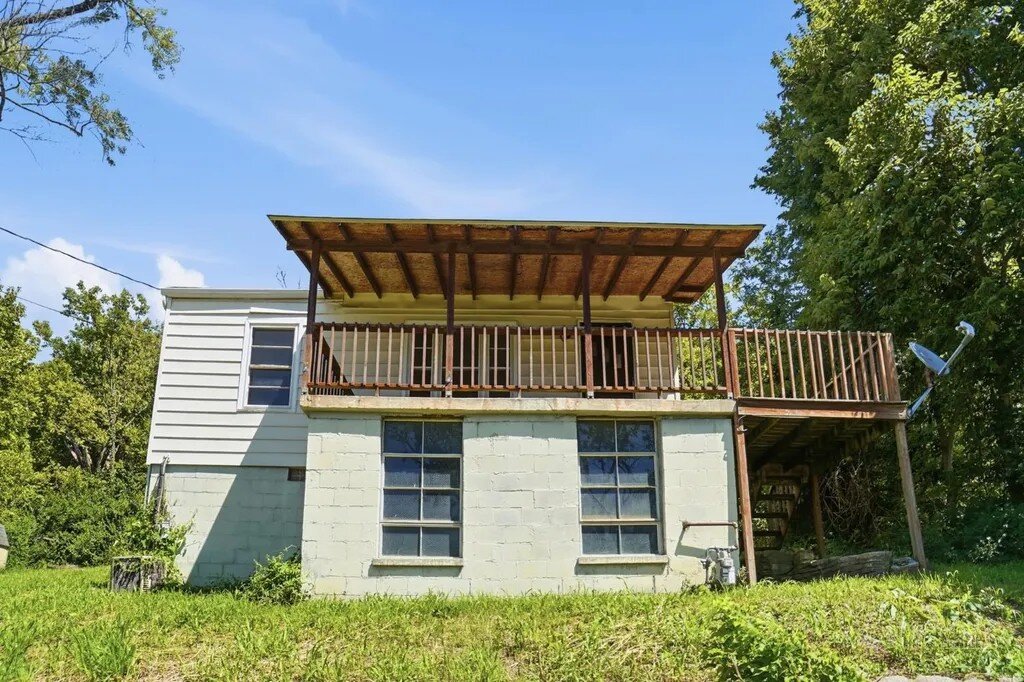
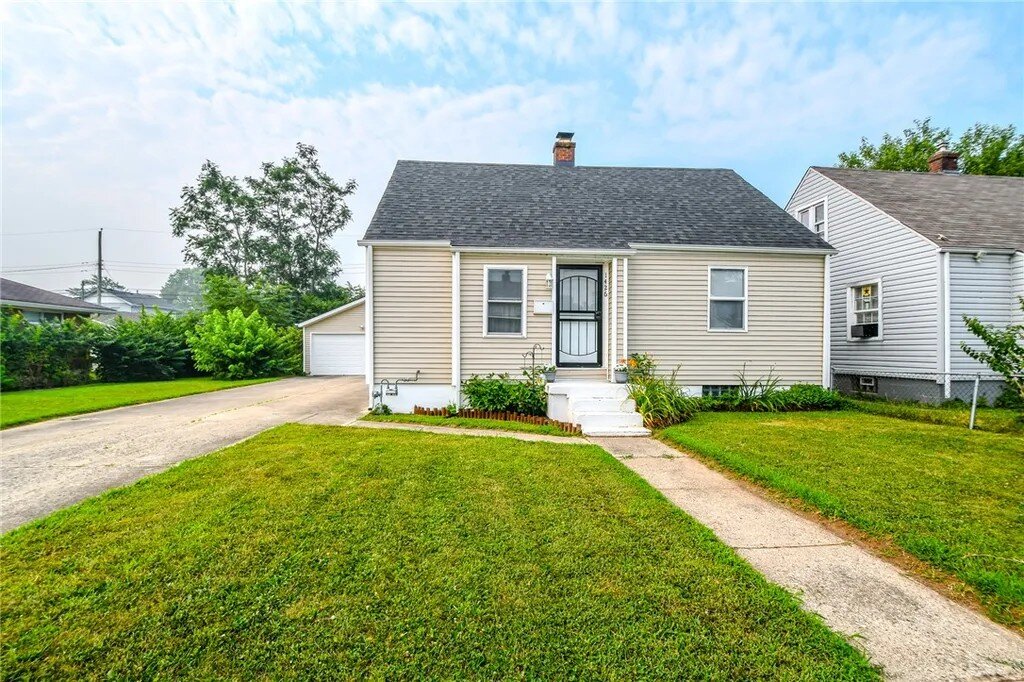
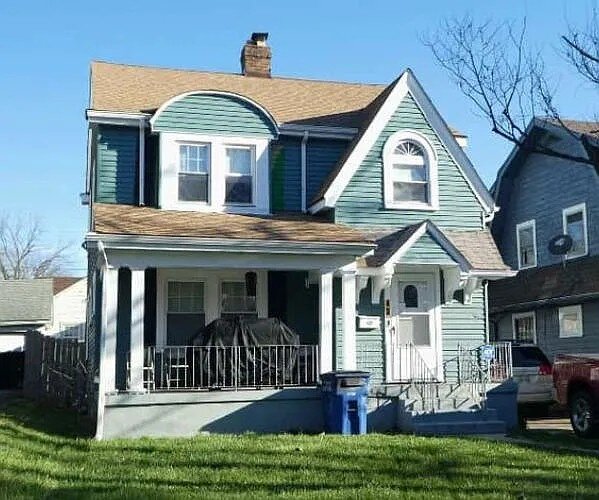
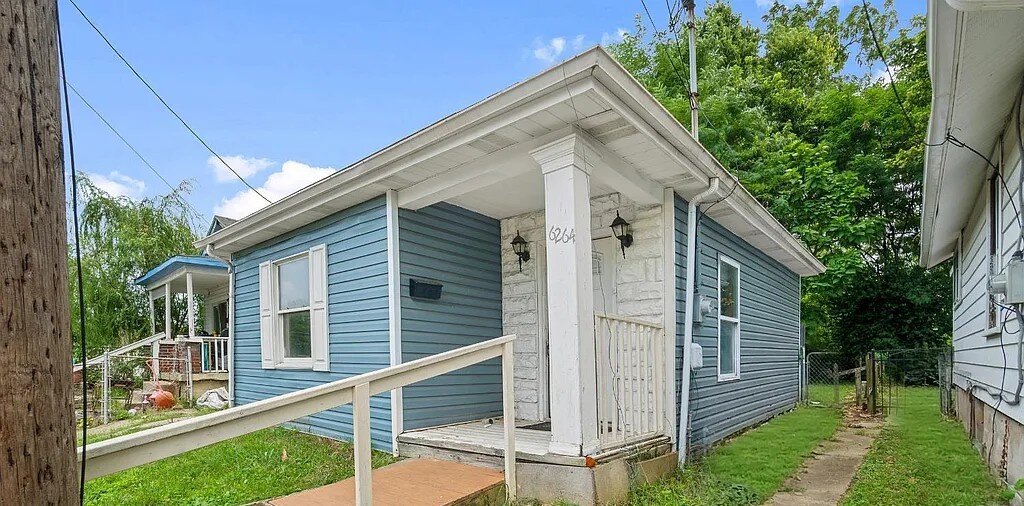
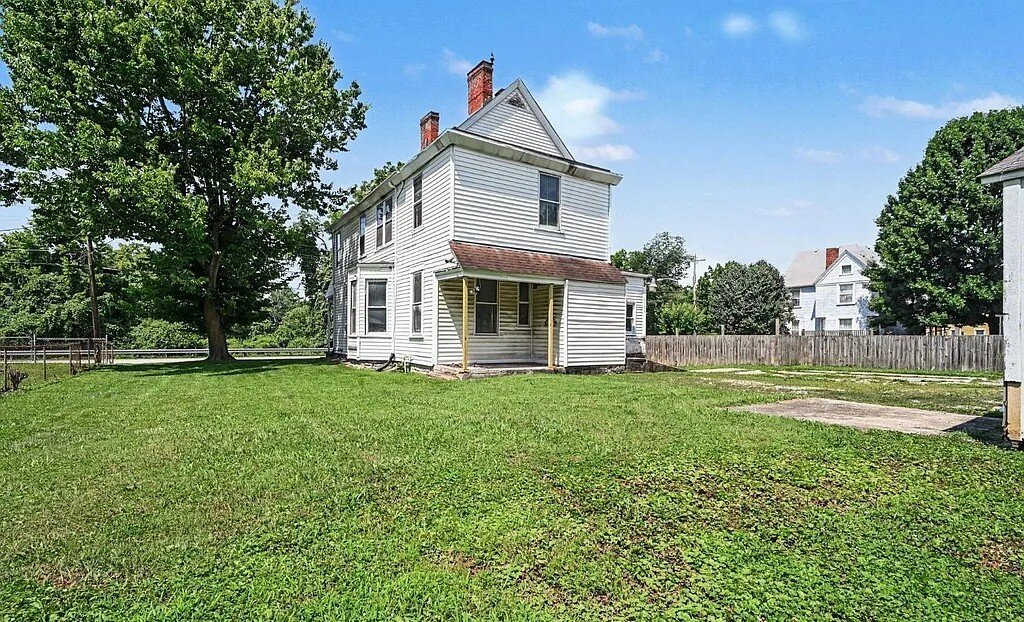
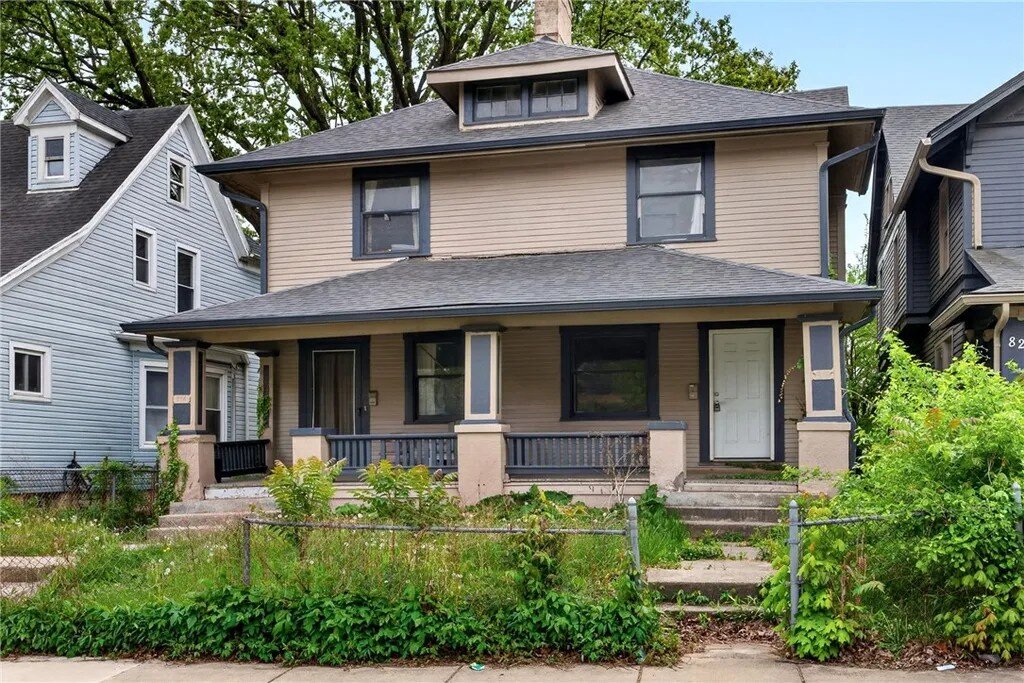
    Ohio Cash Buyers | We Buy Houses | Property Before & After

    Frequently Asked Questions

    How fast can I really sell a distressed house in Ohio?

    With a cash buyer, most closings happen within 7 to 21 days of accepting an offer. We schedule walkthroughs quickly and can deliver a written cash offer within 24 to 48 hours of seeing the property. Your timeline drives the process, not ours.

    Do I need to clean out the house before selling it as-is?

    We buy properties in their current condition, which includes homes filled with old furniture, personal belongings, or debris. You can take what you want and leave the rest. We handle the cleanout after closing, so you don’t have to.

    Will I get a fair price if I sell without making repairs?

    Our offers reflect the current condition of the home and the local market in Cincinnati and Dayton. We’re transparent about how we calculate our offers. When you factor in the cost of repairs, agent commissions, carrying costs, and closing fees for a traditional sale, many homeowners find that our net offer is comparable to or better than theirs.

  • How Cash Home Buyers in Dayton, Ohio Make the Selling Process Simple

    How Cash Home Buyers in Dayton, Ohio Make the Selling Process Simple

    Thousands of Springboro homeowners skip the traditional listing process every year and sell directly to a cash buyer instead. This article walks you through exactly how that process works, why so many sellers choose it, and what you can expect from start to finish.

    Why Do Dayton Homeowners Choose to Sell for Cash Instead of Listing?

    Selling a home the traditional way takes time, money, and patience that not every homeowner has. Listing with an agent means repairs, showings, inspections, and months of waiting. For many people, that simply does not work.

    Life Changes That Make a Fast Sale Necessary

    Sometimes the reason to sell quickly has nothing to do with the house itself. Job relocations, divorces, inheritances, and serious financial hardship all create pressure to move fast. When life throws something unexpected at you, spending four to six months on the market is not realistic.

    We work with homeowners across Dayton, Ohio, who are dealing with exactly these kinds of situations. The ability to close in days rather than months makes a real difference when the clock is ticking.

    The Cost of the Traditional Listing Process

    A traditional home sale in Dayton, Ohio, comes with a long list of costs. Agent commissions alone typically run five to six percent of the sale price. Add in repair requests, closing costs, and carrying costs during the listing period, and sellers often walk away with far less than they expected.

    Selling for cash removes most of these expenses. There are no agent commissions, no repair bills, and no drawn-out negotiations. The number we offer is the number you get, minus only the costs we agree on upfront.

    No Showings, No Stress, No Uncertainty

    One of the biggest complaints Kenwood homeowners have about listing is the constant disruption. You clean the house, strangers walk through it, and then you wait to hear back. That cycle can repeat for months.

    When you work with a direct home buyer, there are no showings. No open houses. No staging. You do not have to live in a show-ready home for weeks on end. One visit from our team, one offer, and one straightforward decision. That is it.

    What Steps Does a Dayton Cash Home Buyer Handle For You?

    The process of selling your home for cash is much simpler than most people expect. We handle the heavy lifting so you do not have to figure it out alone. Here is how it works from the moment you reach out.

    Step One: You Tell Us About Your Home

    The first step is a simple conversation. You share basic details about your property, including the address, the condition, and your timeline. You do not need to have every answer ready. We just need enough to start putting together a fair offer.

    There is no obligation at this stage. Many homeowners are just exploring their options, and that is completely fine. We are here to give you real information, not pressure you into a decision.

    Step Two: We Visit the Property

    After our initial conversation, we scheduled a quick visit to your home. This is not a formal home inspection with a long punch list of problems. We are simply looking at the property to make you an accurate offer.

    The visit usually takes less than an hour. We look at the overall condition of the home, note any major repairs needed, and factor all of that into our offer. You do not need to skip home inspection hurdles or fix anything before we visit. We buy homes as-is.

    Step Three: You Receive a Written Cash Offer

    Within 24 hours of our visit, we will send you a written cash offer. The offer is clear and easy to read. It lays out exactly what we are offering and what, if anything, will be deducted at closing. No hidden fees, no surprise numbers.

    You are free to take your time reviewing it. We never rush sellers into signing. If you have questions, we will answer them. If the number does not work for you, there is no hard feeling and no obligation to continue.

    Step Four: You Choose Your Closing Date

    If you accept the offer, you pick the closing date. We can close in as few as 7 days, or give you several weeks if you need more time to make arrangements. The timeline is yours to set.

    At closing, you hand over the keys and receive your payment. The entire process from the first call to closing can take under two weeks for most Dayton homes.

    How Long Does It Take to Get a Cash Offer on a Home?

    Speed is one of the main reasons homeowners in Walbridge want to sell their house fast for cash. The good news is that the timeline is much shorter than most people imagine. Here is what a realistic schedule looks like.

    From First Contact to Written Offer

    Most sellers receive a written offer within 24 to 48 hours of their first conversation with us. If you reach out today, you could have a number in your hands by tomorrow. That kind of turnaround simply does not happen with a traditional listing.

    The speed comes from our process. We do not rely on bank appraisals, mortgage underwriting, or third-party approvals. We use our own funds, which means decisions are made quickly and internally.

    From Accepted Offer to Closing Day

    Once you accept our offer, closing can happen in as little as seven days. In some cases, it takes a bit longer if there are title issues to clear, but most Dayton, Ohio home sale transactions we handle close within two weeks.

    Compare that to a traditional sale, which averages 45 to 90 days from listing to closing. For someone facing foreclosure, a job change, or a family emergency, that difference is enormous.

    Why Some Sellers Still Take More Time

    Not every seller needs to move quickly. Some homeowners come to us because they want certainty, not necessarily speed. Knowing the deal will not fall through because a buyer’s financing collapsed is worth a lot, even if you are not in a rush.

    We accommodate all timelines. If you need six weeks before you can vacate the property, we will work around that. The flexibility is part of what makes selling for cash a practical option for so many different situations.

    Ready to Get a Cash Offer on Your Dayton Home?

    If you have been thinking about selling and wondering whether cash is the right path, the easiest next step is just to reach out. There is no commitment involved in asking for an offer. You get a real number, a clear process, and a timeline that fits your life.

    We serve homeowners throughout Cincinnati, OH, and Dayton, OH. Whether your home needs major repairs, you are facing a difficult situation, or you simply want to sell your house quickly without the hassle of listing, we are ready to help.

    Getting started takes about five minutes. Fill out the form on our website or give us a call. We will schedule a visit at your convenience, answer every question you have, and walk you through the entire process with no pressure and no obligation.

    When you are ready to sell your house fast for cash in Ohio, we are here and ready to make it happen.

    Ohio Cash Buyers | How to Sell Your House Fast for Cash | Before and After Rehab

    Frequently Asked Questions

    How fast can I sell my house for cash in Dayton, Ohio?

    Most sellers receive a written cash offer within 24 to 48 hours of their first conversation with us. Closing can happen in as few as seven days after you accept the offer. The full timeline from first contact to closing is typically two weeks or less.

    Do I need to make repairs before selling to a cash buyer?

    No. We buy homes as-is, so you do not need to make any repairs before we make an offer. We factor the property’s condition into our offer price, so you never have to spend money on repairs just to sell.

    Is there any obligation when I request a cash offer?

    There is no obligation at any point until you sign a purchase agreement. Requesting an offer, having us visit your home, and reviewing our number are all completely free and commitment-free. We are here to give you real information and let you decide what is best for your situation.

  • Should I Trust Zillow to Determine My House Value in Cincinnati & Dayton

    Should I Trust Zillow to Determine My House Value in Cincinnati & DaytonAn old adage in real estate sales is “your home is worth what someone is willing to buy it for.” This suggests that there are many different factors, some arbitrary that go into the valuing of a home.

    In today’s internet savvy world, many look to industry leader Zillow for information. But the questions is, “Should I Trust Zillow to Determine My House Value in Cincinnati & Dayton?”

    No.

    Don’t trust Zillow for valuing your home.  Here’s why.

    Should I Trust Zillow to Determine My House Value in Cincinnati & Dayton

    Zillow’s Margin for Error

    Zillow has been reported to average anywhere from 18 to 20 percent higher or lower in home estimates. There are even reports of home values on Zillow climbing in declining market areas.

    Let’s think about this for a second. For a $200,000 home, a 20 percent deviation is $40,000. For higher-priced markets like Los Angeles or Miami, a $1 million home could see unrealistic estimations varying from $180,000 to $200,000 or more. That’s a huge difference in pricing.

    Zillow estimates could discourage potential buyers who might think a home is well out of their price range while giving sellers an unrealistic idea of a selling price point. In the end, this is the starting point of many disagreements homeowners are having with selling agents regarding properly pricing a home.

    Simply put: homeowners see the price on Zillow and think that is the starting point for their home.

    How Does Zillow Create Estimates

    Zillow calls its proprietary estimating tool a “Zestimate.” Even with all the pricing factors placed into the formula, there is still a high margin of error because Zillow isn’t actually looking at your home.

    The proprietary formula looks at the market pricing in the area. It will factor in the size of the house, the lot and all features of the home including the number of bedrooms, bathrooms, pools and highlighted features. However, even Zillow will say this is a starting point for a true valuation of your home and should not be considered an appraisal or true value.

    The reason is the information Zillow uses is reliant on accessing public records and user input such as realtor sales. However, Zillow cannot discern if your home is the dilapidated eyesore in the community or the completely redone and upgraded home everyone is envious of.

    Additionally, Zillow doesn’t discern community pockets. These are very common in larger cities where you can have higher end community just blocks from a mid or lower-end one. These “pockets” can skew or be skewed by larger metro data that Zillow factors in that aren’t pertinent.

    The More Accurate Model

    Any professional realtor will tell you that pricing a home to sell requires a full understanding of the home itself, the location and current market trends in that area. In fact, most realtors look at Zillow pricing with a bit of disdain because it does make pricing and managing realistic client expectation more difficult.

    A realtor will take a look at sales in the pertinent area, creating a radius based on your pocket rather than an entire zip code.  He will then compare your home based on size, features, and upgrades to those homes that were recently sold, thus appraised, in the previous 3 to 6 months. This range is contingent on how hot the real estate market is in the area.

    He will then compare this information to existing homes on the market, looking at how your home compares to what else buyers are seeing on the market. After all, if yours is a well-kept home being sold next to a completely remodeled home, you might not be able to get the same price per square foot at the other.

    Additionally, realtors will consider whether it is a buyer’s or seller’s market. If you want to create a frenzy with a lot of eyes on your property in a seller’s market, you can underprice the home and let the bidding begin. This tactic works in many markets including Cincinnati & Dayton.

    IF YOU ARE LOOKING FOR A FAST WAY TO SELL YOUR HOME, GIVE US A CALL AT OR FILL OUT OUR ONLINE FORM TODAY!

  • How do I sell my house without an agent in Cincinnati & Dayton?

    If you’re looking to sell your house or investment property in Cincinnati & Dayton without using a real estate agent, we can help.

    Although we do cooperate with brokers, sometimes it’s best to avoid paying someone to be in the middle.

    After all, paying 5-6% of the sale of a property in a commission is a lot of money. In certain situations, Ohio brokers and real estate agents can be very useful and earn their commission. Not always.

    There’s a few ways to avoid paying high commissions in your Ohio sale.

    First, there’s a tricky custom that you’ve gotta know about.

    In most sales in Cincinnati & Dayton, roughly half of the commission you pay as the seller goes to pay for the buyer’s broker.

    Doesn’t make much sense, right?

    Why should you pay for the agent on the other side of the table?

    Truthfully, it defies logic – it’s just what’s typically done.

    You can use that to your advantage in a few ways.

    First, factor in the commissions paid when you’re looking at the comparable sales. If the properties similar to yours sold for prices that included commissions, take that into account.

    Don’t underprice your property – be aware that a savvy buyer may expect to take a discount too. If you’re doing the work of one agent, you can expect to save that money.

    Sometimes in Cincinnati & Dayton buyers who aren’t represented by an agent won’t remember to negotiate the buyer’s side commission out of the price for themselves, so don’t remind them if you don’t want to pay them. Just don’t be surprised if it comes up during the negotiation.

    You may want to consider offering 2.5% to buyer’s agents who will bring their clients to show your property. Sure, it’s a lot of money. If you’re pricing your property including that commission, you can always negotiate a better deal for a purchaser who comes without an agent.

    On the other hand, if you don’t leave room for the buyer’s agent’s commission, you’ll be excluding most of the buyers in the market in Cincinnati & Dayton.

    Over 90% of transactions happen through the MLS – that’s the Multiple Listing Service. It’s the main database that all the brokers in Cincinnati & Dayton use to access information for their clients on the houses, condos, land and investment properties for sale, along with data on the sold prices.

    Once upon a time, you had to pay a full commission to get your property on the MLS. Now in Cincinnati & Dayton, there are a few brokers who will charge you a fee just to list your property on the MLS. Often, you spend a few hundred bucks and you only pay commission if the sale closes.

    Compared to the cost of a newspaper ad, the MLS is a cheap way to market your property to a very wide audience.

    All the major real estate search sites like Realtor.com, Zillow, Yahoo Homes, etc. get data from the MLS. Chances are good that when you submit your listing in Cincinnati & Dayton to the MLS, information on your property will end up on most of the major sites within a few days.

    Each of those sites sells ads. They’ve got packages that let you pay to enhance your listing, feature it at the top of the search, and a lot of other bells and whistles that might or might not get an interested buyer to buy your property.

    Advertising is a gamble. Sometimes open houses in Cincinnati & Dayton Ohio can be a great way to sell property, and sometimes they’re a waste of time. Same with newspaper ads, craigslist postings, fancy signs – sometimes they work, and sometimes they don’t.

    To effectively sell your property on your own, you have to market it well.

    Putting up fliers and signs around your neighborhood can generate some calls, and there’s a lot of free websites where you can post information. But often just putting up flyers and an open house isn’t enough if your house doesn’t appeal to the average home buyer.

    In theory, real estate agents charge big commissions because they have to spend a lot of money up front to advertise your property. By advertising lots of properties at once, they expect to get more phone calls – and obviously, they’ll make good profits by selling lots of houses.

    Certain properties might require thousands of dollars in advertising expenses before the right buyer happens to see the ad and call.

    If you want to avoid paying any commissions, you can also sell your house to investors like us for CASH

    We fair prices for properties – and we can close fast (in as little as 3-5 days if you need to).

    Sometimes we’ll purchase Cincinnati & Dayton houses, fix them up, then rent them out… sometimes we’ll fix them up and sell them to other people looking for great homes in the area, and a lot of other reasons, too – but we love to hear from people like you who are thinking of selling anywhere in Ohio.

    We’re investors who care a lot about Cincinnati & Dayton.

    We close fast and pay cash in as little as just 3-5 days. Give us a call now at

    or fill out the short form over here.

    Sell Your Cincinnati & Dayton House Fast – Get A Cash Offer Today

  • How to Avoid Foreclosure in Cincinnati & Dayton

    While the housing market is rebounding, many people in Cincinnati & Dayton] are still struggling to make their mortgage payments.

    If you’re underwater on your home, or having trouble keeping up with your monthly mortgage payments, you could be fearful that your mortgage provider is going to foreclose.

    Thankfully, there are a number of things that you can do to avoid foreclosure in Cincinnati & Dayton. It’s important to remember that moving quickly is absolutely paramount, and could save your credit rating and your home.

    So lets dive in on a couple quick tips on possibly how to avoid foreclosure in Cincinnati & Dayton with your home.

    The Keys of How To Avoid Foreclosure in Cincinnati & Dayton Don’t Abandon Ship

    Many people simply give up and walk away from their home. There are even areas of Cincinnati & Dayton have begun to resemble ghost towns, as the economy has impacted residents significantly.

    Detroit is a prime example of what can happen when people abandon their homes.

    This can be stressful situation, but it’s extremely important to keep your wits about you. A foreclosure will have a huge negative impact on your credit score, and likely prevent you from purchasing a home for years to come. If you sell your home, you could leave a portion of the loan unpaid, and the lender could pursue legal action against your for the unpaid portion.

    While it’s extremely stressful, you do have options:

    Negotiate with your mortgage lender. Banks and other financial institutions are well aware that citizens of Cincinnati & Dayton are struggling. If you haven’t missed a payment yet, you may have some leverage to renegotiate the terms of your loan. Banks don’t like foreclosing on homes, and many will work with you if you aren’t too far behind. You may be offered forbearance, or even a full loan modification.

    Ask for help from Uncle Sam. Over the last five years, the federal government has implemented a number of programs to help struggling homeowners. The Home Affordable Modification Program (HAMP) allows struggling homeowners to modify their loans, reducing monthly payments. The Home Affordable Refinance Program allows homeowners who are current on their mortgage payments refinance an adjustable rate mortgage into a low-interest, fixed rate loan. Both of these programs are subject to eligibility requirements.

    We understand that the possibility of losing your home can be stressful. You aren’t alone. Citizens all over Cincinnati & Dayton are going through the same troubles. Foreclosure can have a lasting effect on your financial life, and it’s important to move quickly and take advantage of any options available. You could save both your credit rating and remain in your home.

    We may be able to help you avoid foreclosure… connect with us today and lets discuss your situation. We don’t charge any fees… we’ll evaluate your situation… and present you your options so you can move forward and get this foreclosure behind you.

    Give us a call anytime at or
    fill out the form on this website today! >>

    Avoid Foreclosure Austin

  • What is a Pre-Foreclosure in Cincinnati & Dayton?

    With millions of homes across the country going into foreclosure, it’s important for both buyers and mortgage holders to understand the process.

    So what is a pre-foreclosure in Cincinnati & Dayton anyway?

    Many homeowners across America and Cincinnati & Dayton are facing difficulties making their monthly mortgage payments.

    When a homeowner misses 3-6 months of mortgage payments, the lending institution will issue a warning, notifying the homeowner to pay or lose their home. This period is known as “pre-foreclosure.”

    Banks and mortgage lenders typically provide three months for the homeowner to become current.  Of course this number can vary by bank and situation sometimes.

    If a homeowner fails to make the necessary payments, the bank will foreclose on the home, assuming ownership, and evict the homeowner. Thankfully, during this stage of the foreclosure process, a mortgage holder has the opportunity to take advantage of several options to prevent losing their home.

    Pre-foreclosure Options for Borrowers

    If you’re behind on mortgage payments, you’re likely to receive a “notice of default” from your mortgage lender.

    This document will state that you have not made mortgage payments for the last 90-180 days. It’s important not to panic.

    You have options that can delay or even prevent losing your home:

    • If your mortgage is “above water,” (meaning you have equity in your house) you may be able to refinance your mortgage, receiving lower monthly payments.  Check with your local Cincinnati & Dayton mortgage broker… or contact us and we can connect you with a reputable one.
    • You may be able to quickly sell your home to a real estate investor that’s reputable in Cincinnati & Dayton like us at Ohio Cash Buyers LLC, using the cash acquired to pay the months of back-payments owed (or we *may* be able to work out something with the lender that relieves all or part of your back payments.We can buy your Cincinnati & Dayton OH area home quickly, often in just a week or two, will pay in cash, and takes the stress out of trying to find a buyer.
    • You can contact the bank and ask them to permit a short sale. In a short sale, you’ll sell your home for less than it’s worth, and the bank will take the loss as a tax write-off.  In some short sales you may still be required to pay the difference to the bank if the house doesn’t sell for what is owed on the loan.
    • You may be able to declare bankruptcy, which can buy you time to pay your debt. Bankruptcy will remain on your credit report for years, and can cause significant damage.

    Lenders are very much aware of the widespread financial troubles across the country and they’re willing to work with borrowers a lot of the time.

    If you’re honest and communicate with your lender, you’ll often find that there are options that will allow you to remain in your home, or at least salvage your credit rating.

    A foreclosure can often negatively affect your credit score by 200-400 points and can prevent you from obtaining a loan of any sort for 5-7 years, so be very dutiful if you’ve received a Notice of Default from your lender.

    But if you’re not able to find a solution with your lender working directly with them… connect with us. We may be able to help.

    Ways We Can Help If You’re In Pre-Foreclosure

    • We can potentially help with a short sale – Submit your info on this website so we can evaluate your situation to see if we can help.
    • We can buy your Cincinnati & Dayton area houseWe buy houses in Cincinnati & Dayton and would love to make you an all-cash offer on your house too. Just fill out the form here to get started >>
    • You can ask us questions and we can provide you FREE guidance and resources so you can make a well educated decision. This costs you nothing, there’s absolutely no pressure, no obligation… just free guidance without a catch.

    If you’re in the pre-foreclosure stage… you’ve still got time to fix this situation.

    Just connect with your bank to see if they’re willing to work with you… or contact us if you’d like to see what we can buy your house for or to tap into our free foreclosure foreclosure resources.

    Want To Discuss Your Pre-Foreclosure Options? Call Us at
    Or, Submit Your Info Here To Get A Cash Offer On Your House >>

  • Short Sale vs. Foreclosure – What’s the Difference?

    Whether you’re a buyer or a borrower / seller, a short sale and foreclosure each present different advantages and difficulties.

    What Is A Foreclosure In Cincinnati & Dayton OH?

    In simple terms… “A foreclosed home is one in which the owner is unable to make his mortgage loan payments and the bank repossessed the home” (source).  If you stop making your house payments… your lender has the right to foreclose on your property so they can attempt to recoup their money that was lent to you. 

    A home is typically foreclosed on when a borrower fails to make mortgage payments. The lending institution assumes ownership and possession of the property, evicting the borrower. These properties are then sold at auction or more traditional means utilizing the service of real estate agents. A foreclosure can damage the credit rating of a borrower, and make it very difficult to obtain a mortgage for many years.

    Depending on the state that you live in… a foreclosure can work in different ways. Check out the foreclosure process information over here at the HUD Government website.

    What Is A Short Sale?

    In a short sale, the home is still owned by the borrower.

    The definition of a short sale is… “short sale is a sale of real estate in which the proceeds from selling the property will fall short of the balance of debts secured by liens against the property, and the property owner cannot afford to repay the liens’ full amounts and where the lien holders agree to release their lien on the real estate and accept less than the amount owed on the debt” (source: Wikipedia)

    In some cases, a short sale is an option agreed upon by borrowers and lenders. In a short sale, the home is sold for less than the outstanding balance of the mortgage. The unpaid balance (known as the deficiency) may or may not still be owed by the borrower.

    This option typically takes some time, as a few different lending institutions may own the mortgage. All parties who have a stake in the property must agree to the terms of the sale, and a potential deal could fall through if even one lender doesn’t agree.

    Short Sale vs. Foreclosure – Your Options

    While both options can have ramifications, a short sale often has less of an impact on the borrowers creditworthiness. A foreclosure could impact a borrower’s credit score by 300 or more points, where a short sale may only dent the credit score by 100 points.

    Borrowers who are foreclosed on are often ineligible to purchase another home for 5-7 years with a traditional mortgage, where under certain circumstances, a short sale borrower can purchase immediately.

    As many Americans struggle with an economy that has yet to completely recover from the 2008 crash, folks are having a hard time making monthly mortgage payments. Choosing between being foreclosed and initiating a short sale (or a 3rd option…  selling your Cincinnati & Dayton house fast  )is an easy choice for a borrower having troubles paying their mortgage on time.

    Sometimes, lenders are willing to work with borrowers to complete a short sale, to avoid the fees and time consuming process of conducting a foreclosure.

    Our suggestion is always this.

    1. Talk with your lender and discuss ways that they can work with you on your loan. We offer this service where we can help guide you in the right direction if you run into issues with your lender… just reach out to us on our Contact page and we’ll discuss your situation.
    2. Attempt a short sale or other program your lender may have that forgives part of your loan, creates a new / more affordable monthly payment so you can get back on your feet, etc.
    3. If the bank isn’t willing to work with you very much… your best option may be to sell your house. Work with a local real estate house buyer service like Ohio Cash Buyers LLC to sell your house fast for an all-cash offer. If you’re interested we can look at your situation and make you a fair offer on your house within 24 hours. Just fill out the form on our website over here >>
    4. Foreclosure. Last resort is to let the house fall into foreclosure. This is the worst possible scenario. It’ll harm your credit and you could still be left with money owed to the bank even after the foreclosure is finished.

    By knowing your options, you may be able to dodge a significant impact to your credit score, allowing you to purchase a new home when your situation improves. A foreclosure on your credit report makes that possibility extremely difficult for 5-7 years, so if you have the opportunity, a short sale can be the better option.

    Have a pending foreclosure?  We’d like to make you a fair all-cash offer on your house.

    Give us a call anytime at or
    fill out the form on this website today! >>

  • Where Are the Profitable Investment Properties in Cincinnati & Dayton?

    Where Are the Profitable Investment Properties in Cincinnati & Dayton-Finding a profitable investment property in Cincinnati & Dayton can seem like a fruitless endeavor. You scour neighborhoods, look at countless homes and attend auctions. No matter how many properties you look at, there never seems to be enough of a margin for you to pull the trigger and be profitable. Are there no worthwhile investment prosperities in Cincinnati & Dayton? Unlikely.

    Follow these rules to help you discover the profitable investment properties in Cincinnati & Dayton.

    Where Are the Profitable Investment Properties in Cincinnati & Dayton?

    Meet the Competition

    Like any other industry, real estate investment is a very competitive arena. The pool of investors vying for the same small pool of properties makes it hard to compete – especially if you are new or not well funded. By understanding who you are bidding against for properties, you will get a better insight about how to compete for the good, profitable deals.

    It can’t hurt to join an investment club and meet the competition. Not only do you learn about them, you become colleagues. Investment clubs are great resources to help you learn, develop partnerships,  and build a bigger real estate investment portfolio. This will enable you to acquire profitable deals you may not otherwise have the funds or knowledge to close.

    Redo Your Math

    Profits are calculated by subtracting costs from the purchase price. It is that simple. If you are losing properties to other investors offering higher prices, look at the numbers again.

    Can the other investors do the rehab for less? If so, why?

    Are the sales prices closing higher than you would have expected because of a change in the market? If so, adjust your numbers allowing you to make higher offers.

    Take a look at all line items and determine if you are in the correct ranges for all costs. It may be that you could acquire a property and still make a profit but you aren’t using accurate calculations.

    Become a Better Negotiator

    It isn’t just the competition that you need to gain a better understanding of in dealmaking. Learn better negotiation skills to improve your chances of closing a property at a price that will be more profitable to you. Sellers have needs. Learn what makes sellers tick.

    Part of what makes a seller tick might be financial distress, a family death or job relocation. Knowing why a seller wants or needs to sell or why the property is distressed in the first place will give you trigger points to work into your conversations on price.

    For example, if the seller is dealing with a probate issue, explaining to them that you are willing to work a cash offer and talk directly to the estate executor could help alleviate stress on the seller. You are offering a solution to the existing problem and this often gets results especially if your offer is below what the seller was hoping to get.

    Find New Opportunities

    We’ve talked about real estate investment opportunities as being a numbers game. The more properties you have the opportunity to see and bid on, the better your chances are to find one that makes you a nice, worthwhile profit.

    Real estate investment clubs are one location to open up more opportunities and even find better deals. You can also talk to the local county clerk to get a list of properties behind on property taxes. In some states you can buy the tax lien certificate and make a few bucks to see if the property forecloses, giving you the first right to the property for pennies on the dollar.

    Street signs are also popular ways to attract sellers who may be in an urgent situation. This is a good opportunity to have them call you rather than you doing all the legwork.

    ARE YOU LOOKING TO SELL A PROPERTY IN Cincinnati & Dayton? WOULD YOU LIKE TO GET A FAST CASH OFFER AND CLOSE QUICKLY? FILL OUT OUR FORM ONLINE AND WE’LL CONTACT YOU AS SOON AS POSSIBLE!

  • Common Investment Property Mistakes Buyers Make in Cincinnati & Dayton

    Common Investment Property Mistakes Buyers Make in Cincinnati & DaytonMany people are diversifying away from stock market investments to more tangible portfolio assets. Real estate investments are certainly the most common tangible asset investors start with.

    However, real estate is costly and thus high-risk if you don’t know what you are doing. Avoid these common investment property mistakes buyers make in Cincinnati & Dayton.

    4 Common Investment Property Mistakes Buyers Make in Cincinnati & Dayton

    Underestimating Costs

    “If you buy it they will come,” seems to be the mentality of many first-time real estate investors. They think that just by getting the title on a property, renters will flood in and thus the money will flow. This isn’t the case.

    In fact, there are many costs first-time investors don’t anticipate that end up costing them because they didn’t factor those into potential rents. These include maintenance, advertising, and repairs. Unlike your own home where you might leave a repair for a while, landlords must fix things in a timely fashion.

    Additionally, tenants don’t always remain in the home and often trash the place while living there. You need to factor vacancy time and property rehab in between tenants.

    Poor Location Selection

    It has been said over and over when it comes to real estate, “Location! Location! Location!” Real estate investments are no exception. Buying a property that is in a less than desirable location makes it difficult to both rent and resell.

    Sure, great deals can be found in depressed markets and unsafe neighborhoods, but at what cost? You may have trouble making your money back after a rehab,  let alone making a profit on the deal.

    Rehabbing properties in high-risk neighborhoods can be profitable but you need to make sure you understand the risks. So make sure to research neighborhoods thoroughly that you are interested in investing in.

    Renting to those in high-risk neighborhoods can mean more problems with upkeep and maintenance, including vandalism, drug and gang issues.

    Not Understanding Financing

    Buying a personal property and buying an investment property follow two very different financing principals. You won’t get the same great financing programs and rates available to owner-occupied homes. In fact, everything from insurance to property taxes will increase with investment properties.

    Expect to have higher down payment requirements for investments and be prepared for higher interest rates. Conduct extensive market research to make sure your property will yield the rental income or sale proceeds to pay the higher costs and still have profit.

    Failing to Perform Due Diligence

    Just because you plan on rehabbing a property doesn’t mean you should ignore all the due diligence requirements of sound investing. This means pulling all title reports and having inspections and disclosures note anything that might be wrong with the property.

    Finding out there is a huge lien on the property transferred to you upon the sale could lead to foreclosure. Similarly, not paying attention to a potential foundation issue can lead to thousands in repairs you weren’t budgeting for.

    Buying a distressed property doesn’t always mean you’re buying a money pit; learn to assess properties to properly budget for repairs and prepare for unanticipated costs. There are always unanticipated costs when buying an investment property, even with sound due diligence.

    Start small with your first investment. There is no need to learn the ropes with a million dollar apartment complex. Buy a single family home or a small multi-family building for your first few deals. This way, in case you make a mistake, it will be a bit easier to recover from.

    IF YOU ARE AN INVESTOR IN Cincinnati & Dayton AND ARE LOOKING TO PARTNER ON A DEAL, CONTACT US TODAY!

  • 3 Smart Financing Strategies for an Investment Property in Ohio

    Smart Financing Strategies for an Investment Property in OhioPopular television shows make real estate investing seem easy with guaranteed profits. What these shows don’t show you are the behind-the-scenes tribulations that investors must go through in securing and rehabbing properties.

    If you are new to real estate investment property buying, use these three smart financing strategies for an investment property in Ohio to reduce your stress and improve chances of profitability.

    3 Smart Financing Strategies for an Investment Property in Ohio

    1. Consider Financing That Includes Rehab Costs

    Most investment properties need some level of fixing. Even if you are purchasing the property to rent out, there will most likely be things you need to do in order to prepare the property for rental. Highly distressed properties may need a complete gutting and rebuilding.

    Factor all costs of rehab into your budget. If the cost is considerable, include a contractor’s estimate for the cost of remodeling the property. Seek a mortgage lender that funds loans that include construction costs. There are some smaller, niche specific lenders that do this. Even the FHA has a lending program that includes construction costs as part of one, complete loan.

    Not only does securing funding with these costs help ensure you have the money to fix the property; it also keeps the entire loan under one note. This usually keeps interest rates lower with more manageable payments. Keeping your own cash in hand is ideal whenever possible.

    2. Make a Large Down Payment

    This may seem like a no-brainer, but many new investors think that they can get into a property with 0 to 5 percent down. While there may be some lenders willing to extend credit on an investment property for these terms, the rates are generally higher and only offered to experienced investors with track records and other assets to back the property.

    Lenders view investment properties as the first place a person will “let go” of assets if financial hardships occur. Simply put, if you were to face serious financial issues, you would most likely keep making payments on your personal home and stall any payments in investment properties. This makes investment properties foreclosure higher risks, thus coming in with 20 percent or more is imperative.

    Not only will most banks require at least 20 percent on investment property, the more you put down, the more favorable your interest and loan terms become. Of course, you still need to maintain enough cash and savings to protect your own personal finances and be able to prepare the property for rental or sale.

    Smart investors often use a home equity line of credit on their own home to make a large down payment and then refinance the equity line on the new property, paying off their personal HELOC. This is leverage debt and a common strategy among real estate investors.

    3. Ask for Owner Financing

    An investment strategy not always considered is owner financing. With loans advertised by every financial institution, it has become common practice for buyers to get a loan through a financial institution. However, historically owners often financed property sales.

    You might be able to find great investment properties where owners are willing to finance the transaction. A situation where an owner has the property free and clear of a mortgage but is moving to downsize or perhaps inherited the property might be a situation where owner financing is a very viable option.

    It is always wise to ask if the owner is willing to finance. The structure usually is a short-term loan with a moderate down payment and monthly payments for a fixed period of time. These are great deals but can be hard to come by.

    IF YOU ARE INTERESTED IN SELLING YOUR Cincinnati & Dayton PROPERTY, PLEASE CONTACT US FOR A CASH OFFER. WE ARE EXPERIENCED REAL ESTATE PROFESSIONALS AND CAN CLOSE QUICKLY AND PAINLESSLY.