
Owning a rental property in Ohio can feel like a smart investment until the numbers stop working in your favor. If you’re weighing whether to sell rental property with tenants in Ohio or hold on and keep collecting rent, the honest answer depends on more than just cash flow.
Landlords in Cincinnati, Dayton, and across Ohio face this decision more often than most people realize. Rising maintenance costs, difficult tenants, and shifting property values can turn a once-profitable rental into a financial drain. Before you make a move, it’s worth taking a clear-eyed look at both sides of the equation.
When Does Holding a Rental Property Stop Making Financial Sense?
A rental property is a business. As with any business, there comes a point when expenses outweigh income, and holding on becomes more costly than letting go. Recognizing that turning point early can save you years of frustration and lost money.
When Rental Income No Longer Covers Your Costs
Rental property cash flow is the foundation of any landlord’s strategy. When the rent you collect barely covers your mortgage, insurance, taxes, and repairs, you are not investing. You are treading water.
Many Ohio landlords find themselves in this position after years of deferred maintenance, having to catch up all at once. A new roof, HVAC replacement, or foundation repair can wipe out years of profit in a single season. If your monthly income consistently falls short of your monthly obligations, the math is telling you something important.
When Tenant Problems Become a Drain on Your Time and Energy
Not every problem landlord situation involves dramatic evictions or property damage. Sometimes it is the slow grind of late payments, unanswered maintenance calls, and constant turnover that wears landlords down.
In Ohio, the eviction process takes time and carries legal costs that most landlords underestimate. If you are managing a tenant-occupied property in Huber Heights and spending more time resolving conflicts than collecting rent, that time has real value, too. Time spent chasing tenants is time not spent on other parts of your life or other investments.
When the Property’s Condition Is Getting Worse
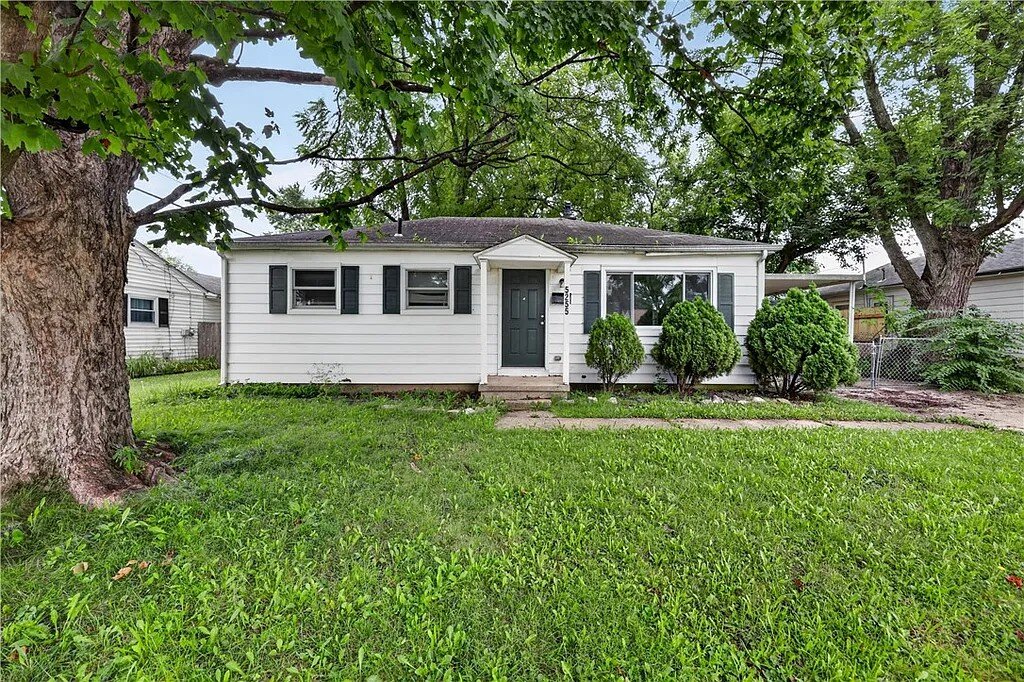
Rental properties can experience ordinary wear, deferred maintenance, or damage over time, depending on property management and individual circumstances. Cosmetic damage is one thing. Structural problems, electrical issues, or plumbing failures are a different category entirely.
Holding onto a property that is slowly deteriorating means accepting two risks at once: the eventual cost of repairs and the declining value while you wait. An Ohio investment property that is losing condition faster than it is gaining equity is working against you.
What Are the Hidden Costs of Keeping a Problem Rental?
The stated cost of holding a rental property is what shows up on your spreadsheet: mortgage, taxes, insurance, and repairs. The real cost of holding a problem rental is often much higher, and most of it never appears on paper.
Vacancy Costs That Add Up Faster Than Expected
Every month your rental sits empty, you are paying all the fixed costs with none of the income. In competitive rental markets like Cincinnati and Dayton, vacancy periods can stretch longer than landlords plan for. Screening applicants, showing the property, and signing a new lease take time, and time costs money.
Vacancy eliminates rental income while many ownership expenses continue, so landlords should calculate how prolonged vacancy affects annual cash flow. Landlords who are already dealing with difficult tenants often face longer vacancies after those tenants leave because the property needs repairs before it can be re-rented.
The Cost of Deferred Maintenance
Deferred maintenance is the quiet killer of Ohio investment property values. Small problems ignored today become expensive problems tomorrow. A slow roof leak can lead to a mold issue. A minor foundation crack becomes a structural repair. A worn water heater becomes an emergency plumbing issue.
When landlords hold a problem rental in hopes that things will improve, they often inherit a growing list of repairs that compounds over time. The cost of holding a rental in poor condition is not just what you spend today. It is what you will be forced to spend later, often at the worst possible time.
The Stress and Opportunity Cost
There is a real but hard-to-quantify cost that spreadsheets do not capture: the mental load of managing a difficult property. Constant worry about tenant behavior, property conditions, or legal issues takes energy away from everything else in your life.
Beyond stress, there is an opportunity cost to consider. Capital tied up in an underperforming rental property could be working harder elsewhere. Whether that means paying down debt, investing elsewhere, or simply having more financial flexibility, holding on to a struggling property comes with a price, even when it is not obvious on paper.
How Does Selling for Cash Compare to Listing on the Market?
When landlords finally decide they are done, the next question is how to sell. Traditional listing and cash sale are very different paths, and for tenant-occupied properties, the differences are especially significant.
The Challenge of Listing a Tenant-Occupied Property
Selling a rental home in Ohio through a traditional real estate agent is possible, but it comes with real complications when tenants are living there. Buyers shopping on the open market typically want to move in themselves or start fresh with new tenants. A property with existing tenants narrows your buyer pool significantly.
Showings become complicated. Tenants may not cooperate with scheduled visits, may leave the property in poor condition, or may feel (rightly) unsettled by strangers walking through their home. In Ohio, landlords also have legal obligations regarding notice and tenant rights during the sale process, adding another layer of complexity.
What a Cash Sale Actually Looks Like
When you sell rental property with tenants in Ohio to a cash buyer, the process looks very different from a traditional listing. We purchase properties in their current condition, with tenants in place, and without requiring you to coordinate showings or make repairs first.
After reviewing your property details, we can provide a written cash offer for your consideration. If the terms work for you, we handle the closing process and work around your timeline.
For landlords in Cincinnati and Dayton who are exhausted by a problem landlord situation, this path removes a significant amount of friction from what is already a stressful decision.
Weighing Net Proceeds vs. Net Relief
A cash offer will not always match the top dollar a traditional listing might achieve in a perfect market. But top-dollar listings come with their own costs: agent fees, closing costs, repair requests from buyers, and months of uncertainty.
Ohio Cash Buyers purchases properties as-is, so the price reflects the property’s current condition without the time or expense of getting it market-ready. For many landlords, the combination of speed, simplicity, and certainty outweighs the potential upside of a longer, more uncertain listing process.
Frequently Asked Questions
Can I sell a rental property in Ohio if tenants are still living there?
Selling with tenants in place is entirely possible in Ohio, and it happens more often than most landlords realize. Ohio law does require proper notice and respect for tenant lease agreements during the sale process. Hence, it helps to work with a buyer who understands tenant-occupied transactions and can navigate them without disrupting your existing lease terms.
Do I have to make repairs before selling my rental property in Ohio?
When selling a rental home in Ohio to a cash buyer, repairs are typically not required before closing. We buy properties as-is, which means the home’s condition does not need to meet traditional listing standards. This is especially helpful for landlords dealing with deferred maintenance or properties that would need significant work before being listed on the open market.
What happens to my tenants when I sell my Ohio rental property for cash?
What happens to tenants depends on their lease terms and the buyer’s intentions. We review each property individually and work through the details of any active leases as part of the transaction. Tenants with active lease agreements have legal protections under Ohio law, and those rights remain in place regardless of who owns the property after closing.
Need to sell your house fast?
Get a fair cash offer today. No repairs, no fees, no pressure — we can often close in just a few days.
Talk to a local buyer
Cincinnati (513) 815-5000
Dayton (937) 756-5000