
Sell your house fast when relocating, and you sidestep one of the most overlooked financial traps in real estate. Hold onto that home after you leave, and the costs start stacking up faster than most people expect.
Relocation puts you in motion. A new job, a new city, a new chapter. But the house you left behind does not move with you. It sits there, quietly draining your bank account month after month, and the damage often does not show up all at once. It shows up slowly, then suddenly.
How Much Does It Really Cost to Own a Home You No Longer Live In?
Most sellers underestimate what a vacant home actually costs. They think about the mortgage and stop there. The real number is much higher once you add everything up.
The Monthly Carrying Costs Nobody Talks About
Every month you own a home you do not live in, you are paying for it in multiple ways:
- Mortgage payment: Your loan does not pause because you moved.
- Property taxes: These are billed regardless of whether the home is occupied.
- Homeowners insurance: Vacant home policies often cost 50 to 60 percent more than standard coverage.
- Utilities: Most lenders and insurers require you to keep water and electricity connected.
- HOA fees: If your neighborhood has one, those dues keep coming.
Add these together, and you could easily be spending $1,500 to $3,000 or more per month on a home you never sleep in. In areas like Silverton and Ottawa Hills where housing costs are moderate, sellers sometimes assume the numbers are low enough to wait it out. They often are not.
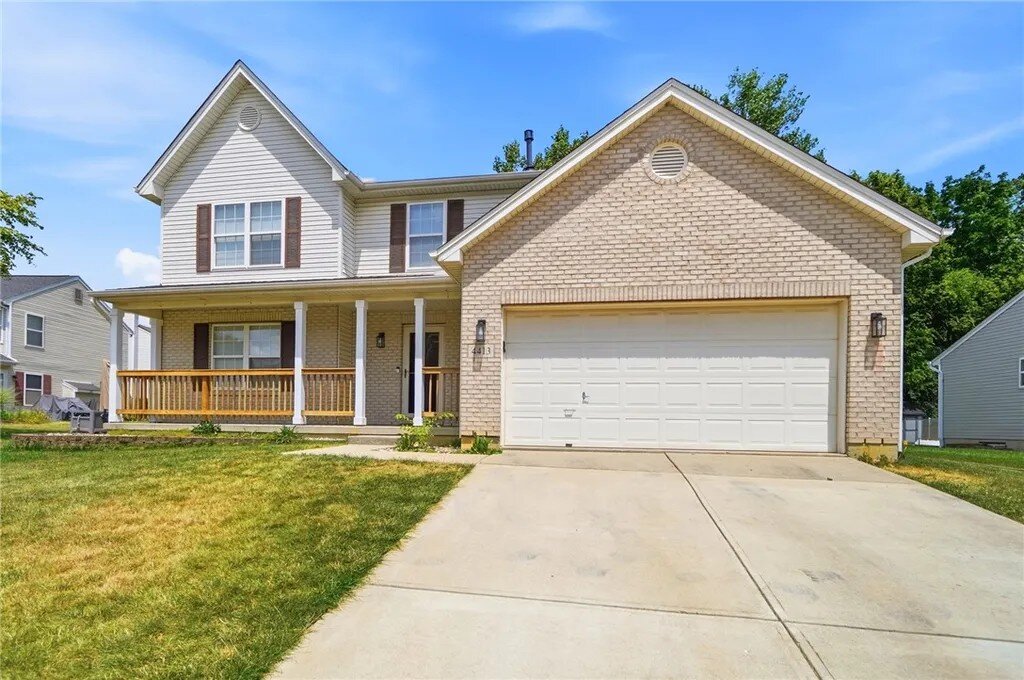
Maintenance Does Not Stop When You Leave
A house still needs upkeep even when no one is living there. Grass grows. Gutters fill. HVAC filters need changing. If a pipe bursts in January and no one is home to catch it, you could be looking at tens of thousands in water damage before anyone even notices.
Remote property management adds another layer of expense. Hiring someone local to check on the property, handle repairs, and deal with contractors is not cheap. Most property managers charge 8 to 12 percent of the monthly rent, and that assumes you are renting it out. If it sits empty, you are paying someone to manage a house that earns you nothing.
The Hidden Cost of Time on Market
Every week a home sits listed is a week of carrying costs. A home that takes four months to sell on the traditional market could cost you $8,000 to $12,000 in holding expenses alone, before you even pay a commission. That number grows if the market softens or if buyers negotiate repairs after inspection.
Choosing to sell your home during relocation rather than after saves you from this slow financial leak. Speed is not just convenient. It is often the financially smarter move.
What Happens to Your Credit When You Carry Two Mortgages?
Buying a new home before selling your old one is a situation many relocating sellers find themselves in. It feels manageable at first. Then reality sets in.
The Debt-to-Income Problem
Double mortgage payments affect your debt-to-income ratio, which is the percentage of your monthly income that goes toward debt. Lenders look at this number carefully. When you are carrying two mortgages, your ratio can climb fast enough to affect your ability to qualify for new credit or refinance your new home at a good rate.
Carrying two mortgages can affect your debt-to-income ratio, which lenders may review when you apply for new credit, refinance, or take on another loan. The impact depends on your income, total monthly debt, loan type, lender standards, reserves, and credit profile.
What Missed Payments Can Do Long-Term
If the carrying costs on your old home start to strain your budget, even one or two late payments can significantly drop your credit score. A reported late payment can hurt your credit score, and the impact depends on your overall credit profile, payment history, and how late the account becomes. That kind of damage takes years to recover fully.
The pressure of managing finances across two properties and two cities is real. People who feel confident in month one often feel stretched by month three, especially when unexpected repair costs hit.
Stress Has a Financial Price Too
This part rarely shows up in any spreadsheet, but it is worth naming. Managing a vacant home from hundreds of miles away takes time, attention, and emotional energy. That distraction can affect your performance at a new job, your relationships, and your decision-making. Financial stress tends to compound. Getting out from under a property that no longer serves you removes that weight entirely.
Is Selling Fast to a Cash Buyer Worth It Financially?
This is the question sellers ask most often, and it deserves a straight answer.
Understanding the True Net in a Traditional Sale
A traditional listing sounds appealing because you might get a higher offer. But the final number in your pocket is what matters, not the listing price. Consider what comes out before you see a dollar:
- Real estate agent commissions: typically 5-6% of the sale price.
- Closing costs: Usually 1-3% on the seller’s side.
- Repairs and staging: Can range from a few hundred to several thousand dollars.
- Price reductions: Common if the home sits for more than 30 days.
- Additional carrying costs: Each extra month on the market increases your expenses.
When you add those up, a traditional sale often nets far less than sellers expect.
How a Cash Offer Compares
A cash offer from a direct buyer that Ohio sellers typically receive comes in below market value. That is transparent and expected. But the math often shifts when you subtract commissions, repairs, carrying costs, and months of waiting from a traditional sale.
Many sellers find that selling directly results in a similar or better net when everything is accounted for. And the timeline is night and day. A cash sale can close in as little as 7 to 14 days. A traditional sale in Cincinnati or Dayton averages 45 to 75 days, and that is before any complications.
When Speed Is the Priority
For someone relocating for a job that starts in three weeks, or moving to care for a family member in another state, waiting three months is not a realistic option. The cost of not selling the house fast when relocating is not just financial. It is the cost of limbo. Two addresses, divided attention, and an unresolved chapter.

Frequently Asked Questions
How much does it cost to hold onto a house after you move?
Vacant home costs vary, but most homeowners spend between $1,500 and $3,000 per month on a property they no longer live in. That includes the mortgage, taxes, insurance, utilities, and basic maintenance. In markets like Cincinnati and Dayton, those costs add up quickly over a few months.
Will carrying two mortgages hurt my credit score?
Carrying two mortgages raises your debt-to-income ratio, which can limit your borrowing power and affect future loan approvals. If the financial strain leads to any late payments, your credit score can drop significantly. Selling the original home as quickly as possible reduces that risk.
Is a cash sale a good option when relocating for a job?
A cash sale may be worth considering if you want to compare an as-is offer against the cost of continuing to hold the property after you move. The right choice depends on the home’s condition, mortgage balance, taxes, insurance, repair needs, title status, and what you expect to net from each selling option.
Need to sell your house fast?
Get a fair cash offer today. No repairs, no fees, no pressure — we can often close in just a few days.
Talk to a local buyer
Cincinnati (513) 815-5000
Dayton (937) 756-5000