
If you own a property with open violations, the question of whether you can sell a house with code violations is probably weighing on you. The short answer is yes, in most cases, you can, but understanding what you are dealing with first makes every decision much easier.
What Counts as a Housing Code Violation in Ohio?
A housing code violation is an official notice from a local government stating that a property does not meet minimum safety or livability standards. Cities like Cincinnati and Dayton have entire departments dedicated to housing code enforcement, and they inspect properties regularly, often after a neighbor complaint, a permit application, or a routine city inspection.
Violations are not always dramatic. Some are minor. Others are serious enough to make a home legally uninhabitable until corrections are made.
Common Types of Property Violations in Ohio
Here are the types of issues that most commonly trigger a code violation notice in Ohio:
- Structural problems: Foundation cracks, sagging rooflines, or compromised load-bearing walls
- Electrical hazards: Exposed wiring, outdated panels, or circuits that do not meet current safety codes
- Plumbing failures: Broken sewer lines, no running water, or drainage that does not meet municipal housing standards
- Exterior conditions: Peeling paint on older homes (lead paint risk), broken windows, or unsecured entry points
- Unpermitted work: Additions, garage conversions, or finished basements built without a permit
That last category, unpermitted work, catches many homeowners off guard. A previous owner may have added a bathroom or enclosed a porch without pulling permits. You may still need to address the violation, even if a previous owner caused it or you never touched those areas yourself.
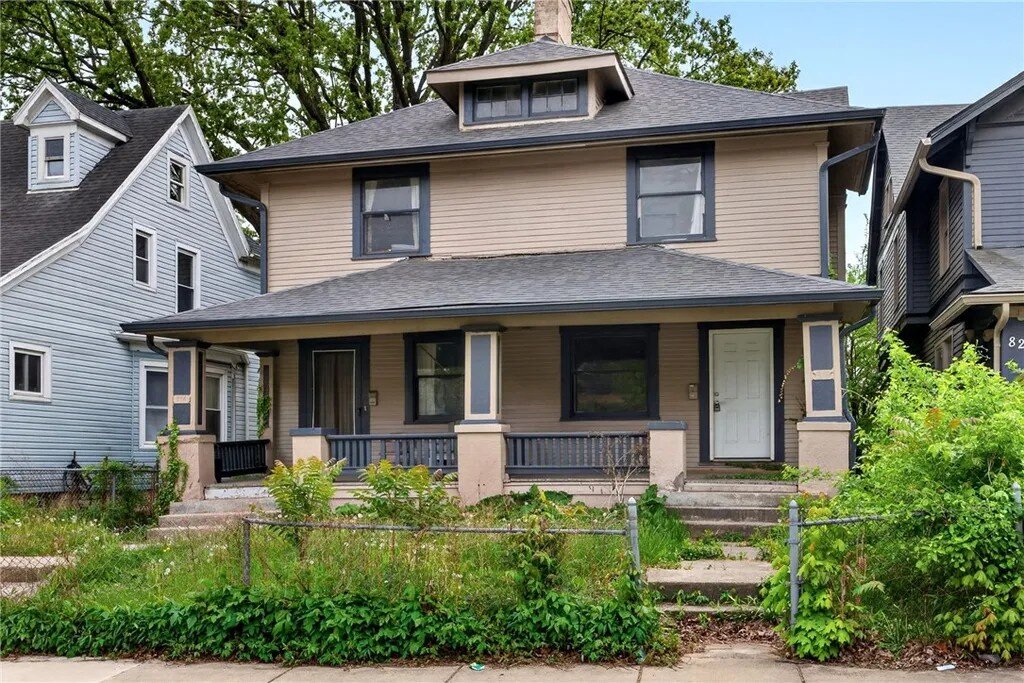
How Violations Are Issued in Cincinnati and Dayton
In Cincinnati, the Department of Buildings and Inspections handles code enforcement. In Carlisle, that role falls under the Department of Planning and Community Development. Both cities follow a similar process.
A code officer visits the property, documents the issue, and issues a formal notice. That notice goes to the property owner of record. It lists the specific violation, the relevant municipal code section, and a deadline for correction. Missing a correction deadline may lead to follow-up notices, reinspection issues, fees, abatement action, liens, or, in serious cases, orders related to unsafe or uninhabitable conditions.
What “Open” vs. “Closed” Violations Mean
An open violation means the city has issued a notice, and the issue has not been resolved or verified as corrected. A closed violation means the repair was completed, and a reinspection confirmed it. Buyers, title companies, and lenders all look for open violations during the sale process. Closed violations show up in records but typically do not block a sale.
Can You Legally Sell a House With Code Violations?
Yes, selling a property with code violations is legal in Ohio. Ohio law does not generally make every code violation an automatic bar to sale. Still, local orders, title issues, lender rules, and contract terms can affect the closing of a home that has open violations. However, the process comes with real complications depending on how you sell and who your buyer is.
Selling With a Traditional Buyer and a Lender
This is where things get tricky. Most buyers finance their purchase with a mortgage. Many lenders have property-condition requirements, especially for FHA, VA, or other government-backed loans, before approving the loan. Open violations, significant structural issues, or unpermitted work can cause a lender to deny financing entirely.
Even conventional loans have appraisal requirements. If an appraiser flags serious property violations, the lender may require repairs before closing. That puts you in a bind because you need to spend money on repairs before you receive any proceeds from the sale.
Disclosure Requirements for Ohio Sellers
In many Ohio residential sales, sellers must complete a residential property disclosure form based on conditions they actually know about. If you have received a code-violation notice, an order to repair, or information about unpermitted work, you should review the issue carefully before signing a contract. Some transfers are exempt, so it is smart to ask an Ohio real estate attorney or title professional how the disclosure rules apply to your situation.
Failing to disclose a known violation can expose you to lawsuits after the sale. Buyers who later discover undisclosed violations have successfully sued sellers for damages in Ohio courts. Transparency protects you even when it feels uncomfortable.
Selling to a Cash Buyer
Selling to a cash buyer sidesteps most of the lender-driven obstacles. Cash buyers do not need mortgage approval, so appraisal requirements and lender conditions do not apply. This is why many homeowners facing code violations in Cincinnati and Dayton choose to work with cash buyers when a traditional sale becomes too complicated or too costly.
What Happens if You Ignore Code Violations Before Selling?
Ignoring violations is a common reaction, but it rarely ends well. The problems do not disappear, and the financial and legal consequences tend to grow the longer violations stay open.
Fines and Liens Can Attach to the Property
Cities in Ohio have the authority to fine property owners for unresolved violations. In Cincinnati and Dayton, those fines can accumulate daily once a deadline passes. When fines go unpaid long enough, the city can place a municipal lien on the property.
A recorded lien may need to be paid, released, negotiated, or otherwise handled before the buyer receives acceptable title. The longer you wait, the more the lien grows.
The City Can Declare the Property Uninhabitable
Serious, unresolved violations can lead to a condemnation order. A condemned property is legally uninhabitable, and the city may post notices on the home. This does not mean the property is worthless, but it significantly reduces your pool of potential buyers and can complicate the title transfer.
How Violations Affect Your Sale Price
Every open violation a buyer discovers is leverage. Traditional buyers will negotiate the repair cost, and often more, out of your asking price. A property condition issue that costs 10,000 dollars to fix might cost you 20,000 to 30,000 dollars in price reductions once buyers factor in the hassle, risk, and contractor margins.
Selling as-is to a cash buyer at a fair market price, adjusted for the home’s current condition, often puts more money in your pocket than spending on repairs and then negotiating down anyway.
Frequently Asked Questions
Can I sell a house with code violations without fixing anything first?
Yes, you can sell a house with code violations without making repairs, as long as your buyer does not require lender financing that mandates repairs. Some cash buyers may be willing to review homes with open violations in their current condition. Whether the violations must be repaired, credited, disclosed, transferred, escrowed, or resolved before closing depends on the buyer, city requirements, title work, contract terms, and the specific violation. You are still required to disclose known violations to any buyer under Ohio law.
Do code violations show up during a title search?
Recorded liens, assessments, or municipal charges tied to code enforcement may appear during title work. An open code violation itself may also need to be checked through city records, inspection departments, disclosure forms, buyer due diligence, or lender review. Before closing, the title company, buyer, lender, and contract terms determine which issues must be resolved, disclosed, credited, or handled another way.
What is the difference between a code violation and unpermitted work?
A code violation is a formal notice issued by a city inspector stating that a specific condition does not meet current housing standards. Unpermitted work refers to construction or renovation completed without obtaining required permits. Unpermitted work often results in a code violation once discovered, but not always. Both can affect your ability to sell through traditional financing channels, and both should be disclosed to potential buyers.
Need to sell your house fast?
Get a fair cash offer today. No repairs, no fees, no pressure — we can often close in just a few days.
Talk to a local buyer
Cincinnati (513) 815-5000
Dayton (937) 756-5000