
Deciding to sell a multi-family property Cincinnati owners have held for years is rarely a simple choice. Between managing tenants, tracking rental income, and wondering what your property is actually worth, the process can feel more complicated than selling a single-family home. But with the right buyer and a clear picture of what to expect, the experience can be far more straightforward than most small landlords anticipate.
Multi-family properties like duplexes and triplexes sit in a different category from your average residential sale. The way buyers evaluate them, the information buyers review before making an offer, and the steps involved in closing all have their own rhythm. Understanding that rhythm before you start is what separates a smooth sale from a stressful one.
How Long Does It Take to Get a Cash Offer on a Duplex in Cincinnati?
The cash offer timeline for a duplex or triplex is a little longer than for a single-family home, but not dramatically so. A few key factors influence how quickly things move.
What Information Do You Need to Have Ready?
Providing organized property information can help the buyer evaluate the property more efficiently and reduce repeated requests for basic records. Most buyers will want to know the current rent amounts for each unit, whether units are occupied or vacant, the age of major systems like the roof and HVAC, and any known repairs or code issues.
How We Assess the Property Before Making an Offer
After gathering the initial information, we typically schedule a walkthrough. For a multi-unit property, that means seeing each unit when possible. If tenants are in place, we work within reasonable notice requirements and try to be respectful of everyone’s schedule.
Once the walkthrough is complete, we review the numbers, consider the local Kettering or Dayton rental market, and put together a written offer. After reviewing the property information and condition, we provide a written offer for the seller to evaluate.
What Comes After the Offer?
After you receive the offer, there is no pressure to respond immediately. Take the time you need. If you have questions about how we arrived at the number, we are happy to walk through our thinking. A true cash purchase does not depend on buyer mortgage financing, although title, due diligence, tenant-related obligations, and other contractual conditions may still apply.
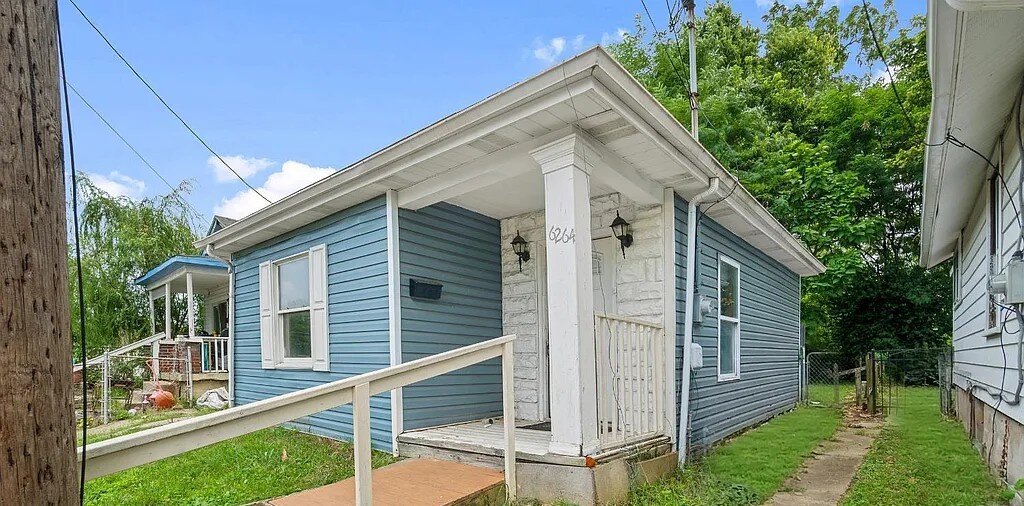
What Do Cash Buyers Look at When Evaluating a Triplex?
Duplex valuation and triplex valuation follow a different logic than what most homeowners are used to. Single-family home values lean heavily on comparable sales in the neighborhood. With multi-unit properties, the income side of the equation matters just as much as the physical condition of the building.
Rental Income and Occupancy
Rental income evaluation is one of the first things a cash buyer examines. We look at what each unit currently rents for, whether those rents are at market rate or below, and how long the current tenants have been in place. Stable, paying tenants can actually work in your favor. They demonstrate that the property generates real income.
Vacancies are not automatically a dealbreaker, but they do affect how we calculate value. An empty unit represents lost income and the cost of finding a new tenant, both of which factor into the offer.
Physical Condition of the Building
The structure itself matters, but we are not expecting perfection. Cash buyers like us are experienced with properties in all kinds of conditions, from well-maintained buildings to ones that have been deferred on maintenance for years.
We pay attention to the roof, foundation, electrical panels, plumbing, and any signs of water damage. We also look at unit layouts, the number of bathrooms, parking availability, and anything that a future tenant or buyer would consider important. Known issues do not kill a deal. They just inform the offer.
Local Market Factors in Cincinnati and Dayton
Cincinnati’s rental market has specific neighborhoods where multi-unit properties are in strong demand. Areas near universities, hospitals, or major employment corridors tend to hold their value well. We factor in the specific location of your property, not just a broad ZIP code, when putting together our evaluation.
Properties in Dayton follow their own market dynamics as well. The specific neighborhood, rental activity, comparable sales, and condition of nearby properties can all affect valuation.
How Is Closing Different for Multi-Unit Properties Compared to Single-Family Homes?
The multi-unit closing process shares the same general steps as any real estate transaction, but there are a few important differences worth knowing before you get started.
Lease Agreements and Tenant Notifications
If your property has active tenants, those lease agreements transfer to the new owner at closing. That means the buyer steps into your shoes as landlord. Before closing, we review all existing leases and confirm which tenants are up to date on rent.
In Ohio, there are specific rules about notice requirements when a property changes hands. We handle the legal side of this carefully to make sure the transition is handled properly for everyone involved, including your tenants.
The Property Inspection Waiver
One of the biggest differences in a cash sale is the property inspection waiver. In a traditional sale, a buyer typically orders a full home inspection and then uses the results to negotiate price reductions or request repairs. With a cash sale, we often skip or limit this step.
We do our own walkthrough and make our offer based on what we see. This can reduce the number of separate inspection and repair-negotiation steps in the transaction. The offer we make is the offer we stick to, barring something major that was not disclosed upfront.
Title, Deeds, and Multiple Units
Multi-family properties sometimes have title complexities that single-family homes do not. If the duplex or triplex has ever been subdivided, converted from a single-family structure, or has mixed ownership history, title can take a little extra attention.
We work with experienced local title companies that handle multi-unit transactions regularly. Any title issues that surface get resolved before closing, not after. The goal is a clean transfer with no loose ends.
Frequently Asked Questions
Do tenants have to leave before I can sell a duplex to a cash buyer?
Tenants do not need to vacate before a sale closes. In most cases, active leases transfer to the new owner at closing, which means your tenants stay in place under the same lease terms. We review all existing leases during the transaction and make sure the handoff follows Ohio law.
How is the offer price determined when I sell multi-family property in Cincinnati?
The offer reflects both the physical condition of the property and its income potential. We look at current rent levels, occupancy status, the condition of major systems, and comparable sales in your specific neighborhood. Both the building and the business side of the property factor into what we can offer.
Will I need to make repairs before selling my triplex for cash?
Repairs are generally not required before closing on a cash sale. We buy properties in as-is condition, which means you are not expected to fix plumbing, patch roofs, or update units. Any condition issues we find during the walkthrough are factored into the offer rather than turned into a list of demands.
Need to sell your house fast?
Get a fair cash offer today. No repairs, no fees, no pressure — we can often close in just a few days.
Talk to a local buyer
Cincinnati (513) 815-5000
Dayton (937) 756-5000