
Owning an empty property feels like a waiting game, but the clock is working against you. If you need to sell a vacant house fast, recognizing exactly how much that property costs you each month is the first step toward making a smart decision.
What Are the Hidden Monthly Costs of a Vacant Home?
Most owners underestimate how expensive an empty house actually is. When no one is living there, you are still responsible for every bill, every tax, and every unexpected repair. Those costs add up faster than most people expect.
Property Taxes Do Not Pause Because the House Is Empty
Property tax on a vacant home works the same way as it does on an occupied one. The county does not care whether anyone is sleeping in the bedrooms or cooking in the kitchen. You owe the same annual tax bill, broken into the same payment schedule.
In Sharonville and Dayton, property taxes can range from roughly 1.5% to 2.5% of the home’s assessed value each year. On a home assessed at $150,000, that could mean $2,250 to $3,750 annually, or $190 to $315 every single month, just in taxes.
Unoccupied House Insurance Costs More Than Standard Coverage
This surprises many homeowners. Unoccupied house insurance is a separate, more expensive product than standard homeowners insurance. Most standard policies stop covering a home after it has been vacant for 30 to 60 days.
After that window closes, you need a specialized vacant property policy. These policies typically cost 50% to 150% more than a regular homeowner’s policy. If your standard coverage was $150 per month, expect to pay $225 to $375 per month for a vacant property policy, sometimes more, depending on the condition and location of the home.
Utilities, Maintenance, and Yard Upkeep Are Still Your Responsibility
Keeping minimal utilities running is often necessary to protect the structure. Heat prevents frozen pipes in Ohio winters. Electricity keeps sump pumps working. Water service prevents plumbing issues from going unnoticed.
Even on the lowest settings, these carrying costs on an empty home can run $100 to $200 per month or more. Add lawn mowing, snow removal, and occasional repairs, and you are looking at another $100 to $300 monthly, depending on the season. None of these expenses disappear just because the house is sitting empty.
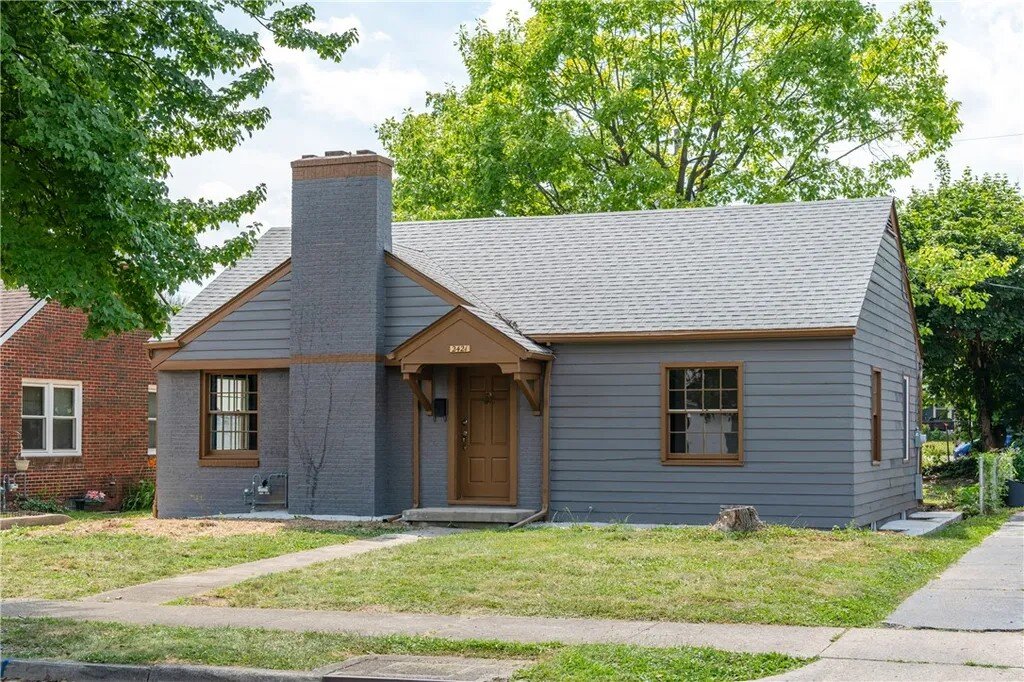
How Does a Vacant House Become a Target for Damage and Theft?
The financial drain goes beyond bills and taxes. Empty homes attract a different kind of cost: damage caused by people who notice no one is watching.
Vacant Properties Signal Opportunity to the Wrong People
A house with no lights, no cars, no movement, and overgrown grass sends a clear signal. Thieves, vandals, and trespassers look for exactly these signs. Copper pipes, HVAC equipment, appliances, and even electrical wiring are common targets in unoccupied homes.
In cities like Cincinnati and Oregonia, vacant properties in certain neighborhoods can be stripped within weeks of going empty. A single theft of copper plumbing can cause $5,000 to $15,000 in damage when water systems are compromised and flooring is destroyed.
Small Maintenance Issues Grow Into Major Repairs
When a house is occupied, small problems get noticed quickly. A slow leak under the sink, a crack forming in the ceiling, a window that no longer seals properly: these things get fixed because someone is there to see them.
Empty homes do not have that safety net. A small roof leak becomes water damage inside the walls. A minor pest entry point becomes a full infestation. What might have cost $300 to fix in October could become a $10,000 repair by the following spring. The cost of holding a house that no one is living in includes every repair that goes unnoticed for too long.
Local Code Violations and Fines Can Stack Up Quickly
Many cities actively monitor vacant properties. In both Cincinnati and Dayton, local housing inspectors can cite vacant homes for tall grass, unsecured doors, broken windows, and exterior deterioration.
These fines can range from $100 to $500 per violation and may be issued repeatedly until the issue is resolved. Some municipalities also place liens on properties with unpaid fines, which complicates any future sale and reduces your net proceeds.
When Does Holding a Vacant Property Stop Making Financial Sense?
This is the question most owners wrestle with. Holding on can feel safer, especially if you believe the market might improve or if you are still deciding what to do. But the numbers tell a different story.
Adding Up the Real Monthly Drain
Take a moment to add up what a typical vacant home actually costs each month:
- Property tax: $190 to $315 per month
- Vacant property insurance: $225 to $375 per month
- Utilities (minimum): $100 to $200 per month
- Lawn care and maintenance: $100 to $300 per month
- Total estimated range: $615 to $1,190 per month
That is before any surprise repairs, code violations, or vandalism. Many owners are paying over $800 per month on a house that is sitting empty and generating zero income.
The Longer You Wait, the Less You May Net From the Sale
Here is something worth considering carefully. A house that sits vacant for six months does not just cost you six months of carrying expenses. It often costs you in property condition as well. Deferred maintenance, weather exposure, and neglect lower the value buyers are willing to pay.
So while you wait, you are paying hundreds per month and potentially losing thousands in sale price. The math rarely favors holding on when the home is not generating rental income or appreciating faster than your monthly losses.
Selling Quickly Is Often the Financially Smarter Path
When you sell a vacant house fast, you stop the monthly bleed immediately. You walk away from the insurance premiums, the tax installments, the utility minimums, and the ever-present risk of something going wrong overnight.

Frequently Asked Questions
How much does it really cost to keep a vacant house each month?
The monthly cost depends on property taxes, insurance coverage, utilities, lawn care, security, maintenance, repairs, and any local code issues associated with the home. The safest way to estimate your cost is to add your actual tax bill, insurance premium, utility minimums, maintenance expenses, and any known repair or violation costs.
Can I sell a vacant house if it needs repairs?
Yes, a vacant house can often be sold even if it needs repairs. Some buyers may want repairs completed before closing, while an as-is buyer may evaluate the property in its current condition. The offer usually reflects the home’s condition, repair needs, title status, and local market factors.
Does homeowner’s insurance cover a house that has been empty for several months?
Standard homeowner’s insurance typically does not cover a property that has been vacant for more than 30 to 60 days. At that point, you need a separate unoccupied house insurance policy, which costs significantly more and still carries limitations on what it will cover.
Need to sell your house fast?
Get a fair cash offer today. No repairs, no fees, no pressure — we can often close in just a few days.
Talk to a local buyer
Cincinnati (513) 815-5000
Dayton (937) 756-5000