
 An old adage in real estate sales is “your home is worth what someone is willing to buy it for.” This suggests that there are many different factors, some arbitrary that go into the valuing of a home.
In today’s internet savvy world, many look to industry leader Zillow for information. But the questions is, “Should I Trust Zillow to Determine My House Value in Cincinnati & Dayton?”
No.
Don’t trust Zillow for valuing your home. Here’s why.
Should I Trust Zillow to Determine My House Value in Cincinnati & Dayton
Zillow’s Margin for Error
Zillow has been reported to average anywhere from 18 to 20 percent higher or lower in home estimates. There are even reports of home values on Zillow climbing in declining market areas.
Let’s think about this for a second. For a $200,000 home, a 20 percent deviation is $40,000. For higher-priced markets like Los Angeles or Miami, a $1 million home could see unrealistic estimations varying from $180,000 to $200,000 or more. That’s a huge difference in pricing.
Zillow estimates could discourage potential buyers who might think a home is well out of their price range while giving sellers an unrealistic idea of a selling price point. In the end, this is the starting point of many disagreements homeowners are having with selling agents regarding properly pricing a home.
Simply put: homeowners see the price on Zillow and think that is the starting point for their home.
How Does Zillow Create Estimates
Zillow calls its proprietary estimating tool a “Zestimate.” Even with all the pricing factors placed into the formula, there is still a high margin of error because Zillow isn’t actually looking at your home.
The proprietary formula looks at the market pricing in the area. It will factor in the size of the house, the lot and all features of the home including the number of bedrooms, bathrooms, pools and highlighted features. However, even Zillow will say this is a starting point for a true valuation of your home and should not be considered an appraisal or true value.
The reason is the information Zillow uses is reliant on accessing public records and user input such as realtor sales. However, Zillow cannot discern if your home is the dilapidated eyesore in the community or the completely redone and upgraded home everyone is envious of.
Additionally, Zillow doesn’t discern community pockets. These are very common in larger cities where you can have higher end community just blocks from a mid or lower-end one. These “pockets” can skew or be skewed by larger metro data that Zillow factors in that aren’t pertinent.
The More Accurate Model
Any professional realtor will tell you that pricing a home to sell requires a full understanding of the home itself, the location and current market trends in that area. In fact, most realtors look at Zillow pricing with a bit of disdain because it does make pricing and managing realistic client expectation more difficult.
A realtor will take a look at sales in the pertinent area, creating a radius based on your pocket rather than an entire zip code. He will then compare your home based on size, features, and upgrades to those homes that were recently sold, thus appraised, in the previous 3 to 6 months. This range is contingent on how hot the real estate market is in the area.
He will then compare this information to existing homes on the market, looking at how your home compares to what else buyers are seeing on the market. After all, if yours is a well-kept home being sold next to a completely remodeled home, you might not be able to get the same price per square foot at the other.
Additionally, realtors will consider whether it is a buyer’s or seller’s market. If you want to create a frenzy with a lot of eyes on your property in a seller’s market, you can underprice the home and let the bidding begin. This tactic works in many markets including Cincinnati & Dayton.
 You’ve decided to sell your house on your own, and you realize there will be some costs involved. So, wisely, you’re now asking: “What should I budget for if I sell my house on my own in Cincinnati & Dayton?”
 When we have something we need to sell, where’s the first place we usually turn? Craigslist, of course. But in this case, you have a house for sale. So you’re most likely asking this question: “What chances do I have when selling my home on Craigslist in Cincinnati & Dayton?”
 It happens for all kinds of reasons: divorce, job layoff or relocation, or mortgage payments just becoming too much to handle. Whatever the reason, you are now in the position of needing to sell your house fast for cash in Cincinnati & Dayton.
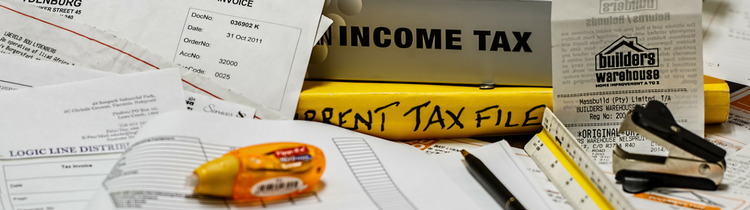 The tax consequences when selling a house inherited in Cincinnati & Dayton can be hard to understand and untangle much of the time.
  Probate is simply the process of administering a decedent’s estate. Most of us have heard the stories about how long and headache filled the probate process usually is, and we dread it when we actually have to face it.
  If you’ve suddenly inherited a house, you may not be prepared for the questions and issues that can arise. And if you make the wrong decisions, you will likely encounter financial, emotional, and family problems before long.
  The answer to the often-asked question “Can a house be sold while it is in probate in Cincinnati & Dayton Ohio?” is “Yes.”
  When someone contacts you about your land, make arrangements to show it to them. You may or may not want to be there when they’re looking, but it might be helpful if you walk them through it and show them various features of the property and answer their questions. This will also help you hear directly from potential buyers so you can know what’s important to them, which could help you as you market your property.