Category: buyer

  • What Is ARV and Why Does It Control Your Cash Offer?

    What Is ARV and Why Does It Control Your Cash Offer?

    Understanding how cash buyers calculate their offer starts with one term most sellers have never heard: after-repair value, or ARV. This single number sits at the center of every cash offer made on homes across Cincinnati and Dayton, and once you see the math behind it, the offer you receive stops feeling like a guess and starts making sense.

    What Does After Repair Value Mean for Your Home Sale?

    After repair value is the estimated price a home would sell for on the open market after all necessary repairs and updates have been completed. It is not what your home is worth right now, in its current condition. It is what the property could realistically sell for once it looks its best.

    Cash buyers use ARV because they are purchasing homes that often need work. They need to know the ceiling, meaning the highest realistic sale price after renovations, before they can figure out what they can responsibly pay today.

    Why ARV Is the Starting Point, Not the Final Number

    Think of ARV as the top of a math problem, not the answer. From that number, a buyer has to subtract the cost of repairs, the cost of carrying the property during renovations, selling expenses, and a margin that makes the project financially viable.

    What remains after those subtractions is the most the buyer can offer and still make the deal work. The formula looks roughly like this:

    Cash Offer = ARV minus Repair Costs minus Holding and Selling Costs minus Profit Margin

    Each part of that equation matters. If ARV is estimated too high, the buyer risks losing money. If it is estimated too low, the offer may feel unfair to the seller. Getting it right requires real local data.

    How Property Condition Affects the ARV Calculation

    A home with a leaking roof, outdated electrical, or foundation issues will carry a higher repair estimate, which directly reduces the cash offer. A home in better shape, even if it still needs cosmetic updates, will have lower repair costs and therefore leave more room in the offer.

    This is why two similar homes on the same street can receive very different cash offers. The condition of each property changes the repair line in the formula, and that shifts the final number significantly.
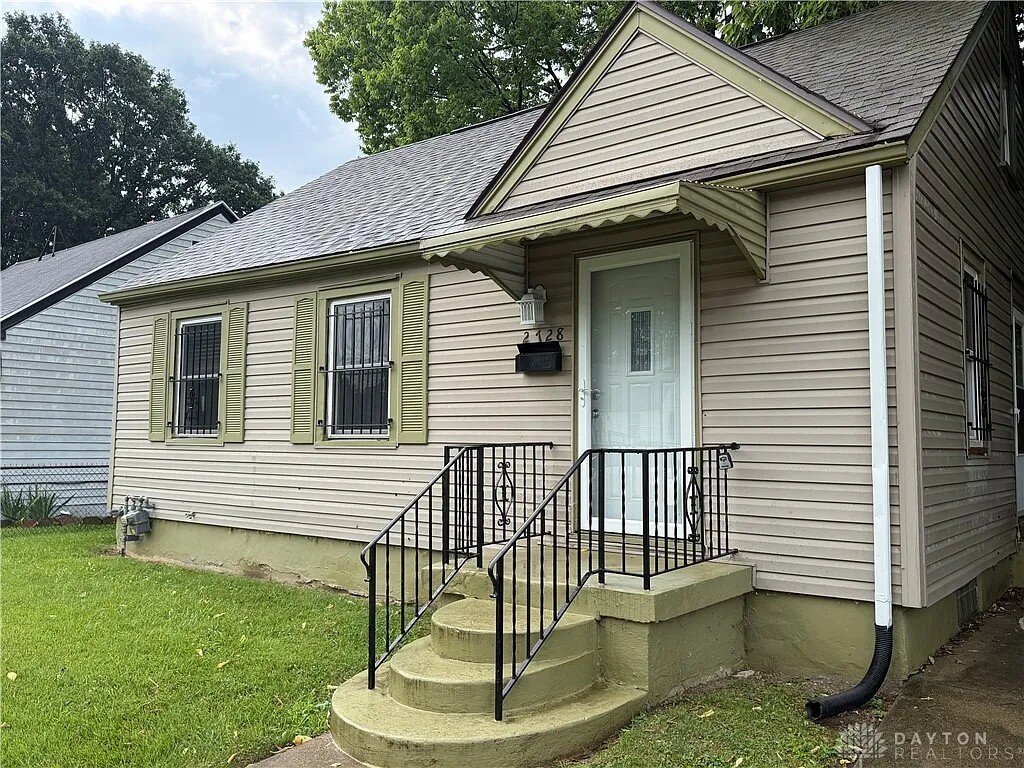
    The Role of Local Market Value in Setting ARV

    Market value does not exist in a vacuum. In Cincinnati neighborhoods like Price Hill or Norwood, and in Dayton areas like Huber Heights or Beavercreek, what buyers are willing to pay for a fully renovated home varies based on the street, the school district, and recent sales activity.

    A strong local market pushes ARV higher, which can create more room in the offer. A softer market means the ceiling is lower, and the math tightens accordingly.

    How Do Cash Buyers Find Comparable Sales to Estimate ARV?

    Estimating ARV is not a guess. It relies on comparable sales, which are recently sold homes that closely match the subject property in size, layout, age, and location. These comps form the foundation of any honest property valuation.

    What Makes a Comparable Sale Useful

    Not every nearby sale qualifies as a strong comp. To be useful, a comparable sale should share most of these characteristics with the home being evaluated:

    • Within roughly the same neighborhood or zip code
    • Similar square footage, usually within 10 to 15 percent
    • Similar bedroom and bathroom count
    • Sold within the past three to six months
    • In a finished, move-in-ready condition

    The goal is to find homes that represent what the subject property could realistically sell for after renovations are complete. Distressed sales, foreclosures, or homes sold far below market are typically excluded because they would pull the ARV down artificially.

    The Tools Used to Pull Neighborhood Comps

    We rely on multiple data sources to build an accurate ARV estimate. The Multiple Listing Service, commonly called the MLS, provides the most complete record of recent sales. We also review county auditor records, which are public documents that track every property transfer in Cincinnati’s Hamilton County and Dayton’s Montgomery County.

    When neighborhood comps are limited because the area has low turnover, we look at a slightly wider radius or adjust for differences in square footage and condition. The goal is accuracy, not speed.

    Why ARV Estimates Can Differ Between Buyers

    Two cash buyers can look at the same home and arrive at different ARV estimates. This happens because comp selection involves judgment. Which sales are most relevant? How do you adjust for a home that has an extra bathroom? How do you weight a comp that sold six months ago in a market that has since shifted?

    Buyers who have deep experience in specific Cincinnati or Dayton neighborhoods tend to produce more reliable ARV estimates because they know which streets command a premium and which ones face consistent headwinds. Local knowledge matters as much as the data itself.

    Can You Influence the ARV Before Accepting a Cash Offer?

    Many sellers assume the ARV is fixed, but that is not entirely true. While you cannot change what comparable homes have sold for, you can sometimes shift the repair estimate, which indirectly affects how the buyer sees the overall deal.

    Small Repairs That May Shift the Offer

    Not every repair needs to be a major renovation. Addressing obvious deferred maintenance, such as a broken window, a damaged fence, or a water-stained ceiling, can reduce what the buyer estimates for repairs.

    These small fixes do not change the ARV directly, but they lower the repair line in the formula. A lower repair estimate means more money is available in the offer. For sellers with a little time and a small budget, targeted improvements can make a meaningful difference.

    Providing Documentation to Support Your Home’s Value

    Sellers who have recent receipts for major work, such as a new roof, a replaced HVAC system, or updated plumbing, are in a stronger position than they might realize. We factor documented improvements into our repair estimate because they represent real value that reduces the work a buyer would otherwise need to complete.

    If you have paperwork for significant upgrades, share it. It can shift the conversation around home appraisal data and give us a clearer picture of what the property actually needs versus what it appears to need from a surface walk-through.

    Asking for Transparency in the Offer Breakdown

    A trustworthy buyer should be willing to explain the main components of their offer. At Ohio Cash Buyers, we are comfortable walking sellers through the ARV we used, the repair estimate we built, and how we arrived at the final number.

    You do not have to accept the first explanation at face value. If something feels off, ask how the comparable sales were selected or whether recent upgrades were factored in. An honest buyer will answer those questions directly.

    Understanding how cash buyers calculate their offer gives you the ability to have that conversation as an informed seller rather than someone simply waiting to hear a number.

    Frequently Asked Questions

    How do cash buyers calculate their offer if my home is in bad shape?

    The formula stays the same regardless of condition. We estimate the ARV using comparable renovated sales in your area, then subtract repair costs, carrying costs, and a necessary margin. A home in poor condition will carry a higher repair estimate, which reduces what remains for the offer. However, the ARV ceiling is based on the neighborhood, not the current state of the home, so a property in a strong Cincinnati or Dayton market can still receive a competitive offer even with significant deferred maintenance.

    What is the difference between ARV and a traditional home appraisal?

    A traditional home appraisal reflects what a home is worth in its current condition, which is what lenders use when financing a purchase. ARV looks forward and estimates value after repairs are complete. Cash buyers use ARV because they are buying the property as-is and need to understand the finished value before committing to a price. The two numbers can be quite different, especially for homes that need substantial work.

    Can I negotiate a cash offer if I disagree with the ARV estimate?

    Negotiation is always possible when it is grounded in real data. If you believe the comparable sales used to build the ARV were not representative of your neighborhood, you can present alternative comps or point to recent sales that better reflect local market value. We welcome that conversation because a well-supported ARV helps everyone move forward with confidence.
  • How Much Will a Cash Buyer Pay for My House in Cincinnati?

    How Much Will a Cash Buyer Pay for My House in Cincinnati?

    If you have ever wondered how much a cash buyer would pay for your house, you are not alone. Sellers in Cincinnati and Dayton ask this question constantly, and the honest answer is that the number comes from a specific formula, not a gut feeling. Understanding that formula puts you in control before you ever speak to a buyer.

    Cash offers are not random. Every number a local buyer presents is built on real math, and once you understand the pieces, you can estimate your own range before anyone knocks on your door.

    How Do Cash Buyers Come Up With Their Offer Price?

    Most people assume cash buyers just name a low number and hope the seller accepts it. The reality is more structured than that. We work from a consistent formula that accounts for the home’s potential value, the cost to get it there, and the margin needed to make the project financially workable.

    The Basic Formula Explained

    The foundation of every cash offer is straightforward:

    Offer Price = After Repair Value (ARV) minus Repair Costs minus Investor Margin

    Each of those three variables has a real dollar value attached to it. Change one number, and the offer changes with it. This is why two houses on the same street can receive very different offers even if they look similar from the outside.

    Why Cash Offers Are Lower Than the Listing Price

    A traditional sale assumes the home is move-in ready, is marketed to retail buyers, and is sold through an agent over several weeks or months. A cash sale skips all of that. We buy the home in its current condition, take on all repair risk ourselves, and carry the property until it is ready to be resold or rented.

    That responsibility has a cost, and that cost is reflected in the offer. A lower price is not a trick. It is the trade-off for speed, certainty, and skipping the hassle of listing.

    How We Evaluate Your Specific Property

    When we look at a home in the Franklin area, we consider several factors: the neighborhood, the home’s current condition, what similar nearby homes have recently sold for, and what it would realistically cost to bring the property up to a sellable standard.

    None of this is guesswork. We pull actual sales data, walk through the property, and price our offer based on defensible numbers.

    What Is ARV and Why Does It Control Your Cash Offer?

    After-repair value (ARV) is the most important number in any cash offer calculation. It represents what your home would sell for on the open market after all repairs and updates are completed. Every other number in the formula flows from this single figure.

    How ARV Is Calculated

    ARV is based on comparable sales, which are recently sold listings of similar homes in your area. We look at homes that are close in size, age, style, and location to yours. The sales price of those updated, move-in-ready homes sets the ceiling on what your property could be worth after renovation.

    If similar three-bedroom homes in your Cincinnati neighborhood are selling for around $220,000 after full renovation, that becomes the ARV we work from. Everything else gets subtracted from there.

    Why ARV Is Not the Same as Your Offer

    Here is where sellers sometimes feel surprised. The ARV is not the offer. It is the starting point before costs and margin are removed. A home with a $220,000 ARV will not receive a $220,000 cash offer because the buyer still has to spend money to turn the property into its finished version.

    The gap between ARV and the final offer is where repairs, holding costs, and investor margin come into play.

    What Happens When ARV Is Uncertain

    Sometimes comparable sales are limited or inconsistent. This can happen in rural areas or neighborhoods where homes rarely sell. When the ARV is harder to pin down, buyers may widen their margin slightly to account for the added uncertainty. A clearer market with strong recent sales typically leads to a tighter, more competitive offer.

    Which Costs Get Subtracted From Your Home’s Value?

    Once ARV is established, the formula works backward. We subtract all costs we expect to incur before the property is ready to sell again. Those costs fall into a few predictable categories.

    Repair Cost Estimates

    The repair cost estimate is the largest variable in most offers. This covers everything needed to bring the home to a retail-ready condition: roofing, plumbing, electrical, HVAC, flooring, kitchens, bathrooms, and cosmetic updates. Minor cosmetic work costs far less than a full structural renovation.

    We walk through the home and price out repairs based on current labor and material costs in the Cincinnati and Dayton markets. A home that needs a new roof and a kitchen overhaul will carry a much higher repair deduction than one that just needs paint and carpet.

    Holding and Closing Costs

    Beyond repairs, we hold the property for a period before reselling it. During that time, we pay property taxes, insurance, utilities, and financing costs. These are real expenses that add up, and they factor into what we can responsibly offer.

    Closing costs on both ends of the transaction, when we buy and when we resell, also chip away at the margin. Together, these holding and transaction expenses typically represent several percentage points of the ARV.

    Investor Margin

    The investor margin is the profit built into the deal. This is not excessive. Without a workable margin, the project is not worth the risk or the capital required to execute it.

    Most local buyers in Cincinnati and Dayton work within a margin that reflects market conditions, project complexity, and competition in the area. On a straightforward deal with predictable repairs and a strong ARV, margins may be tighter. On a riskier or larger project, more cushion is needed.

    The net offer amount you receive is what remains after ARV, repair costs, holding costs, and investor margin are all accounted for. Understanding this breakdown helps you evaluate any offer fairly rather than reacting to the number in isolation.

    Frequently Asked Questions

    How much will a cash buyer pay for my house compared to the market value?

    Cash buyers typically offer less than the full market value, often at a price that reflects the home’s current condition, minus the cost of repairs and a reasonable investor margin. The exact percentage varies based on the home’s location, condition, and the local comparable sales at the time of the offer. Sellers trade some of that value for the convenience of a faster, simpler closing without repairs or showings.

    What makes a cash offer go up or down?

    The biggest factors are the home’s after-repair value, the estimated repair costs, and current market conditions in your neighborhood. A home with strong comparable sales nearby, lower repair needs, and a clear resale path will generally receive a stronger offer. Uncertainty around any of those variables tends to push the offer lower to account for added risk.

    Does Ohio Cash Buyers charge fees or commissions?

    We do not charge seller commissions or buyer fees. Unlike a traditional listing, there is no agent commission deducted from your proceeds at closing. The offer we present is what you can expect to walk away with, minus any liens or payoffs tied to the property itself.

  • Reasons Cincinnati Homeowners Choose Ohio Cash Buyers Over iBuyers

    Reasons Cincinnati Homeowners Choose Ohio Cash Buyers Over iBuyers

    If you want to sell your house fast in Cincinnati, you have more options today than ever before. National iBuyer platforms have made a lot of noise in the market, but many Cincinnati homeowners are discovering that local cash buyers often deliver a smoother, more transparent experience. Understanding the difference between these two paths can save you thousands of dollars and a lot of unnecessary stress.

    What Is an iBuyer and How Do They Operate in Cincinnati?

    The term “iBuyer” stands for instant buyer. These are large, technology-driven companies that use automated pricing tools to make offers on homes across multiple markets at once. Names like Opendoor and Offerpad come up often in the iBuyer Cincinnati conversation.

    How iBuyers Make Their Offers

    iBuyers generate offers using algorithms. They pull data from public records, recent comparable sales, and market trends to calculate what they think your home is worth. The process can feel fast, but the offer itself is based on a formula, not on someone actually walking through your home and understanding its condition or unique features.

    Once you accept, an iBuyer typically schedules an inspection. Based on what they find, they may revise the offer downward or request repair credits. Many sellers are caught off guard by this adjustment, which can shrink the net amount they receive at closing.

    What Fees Do iBuyers Charge?

    Cash home buyer fees vary, but iBuyers are known for charging service fees that can range from several percent of the purchase price. On top of that, sellers are often responsible for closing costs, and the post-inspection repair credits can add up quickly.

    When you add everything together, including the service fee, closing costs, and potential deductions for repairs, the final number that lands in your pocket may look quite different from the initial offer number you saw on the screen.

    Are iBuyers Active in the Cincinnati Market?

    iBuyers have expanded into larger Ohio markets, but their presence in Cincinnati and surrounding areas can be inconsistent. Availability depends on your zip code, your home’s price range, and whether the platform is actively buying in your neighborhood when you reach out. 

    This is a meaningful limitation for homeowners who need a flexible, reliable solution. A local real estate investor is not running a national algorithm. They are looking at your specific situation and your specific home.

    How Does a Local Cash Buyer Differ From a National iBuyer?

    The biggest difference comes down to who you are actually working with. A national iBuyer is a corporation managing thousands of transactions across dozens of cities. A local cash buyer is embedded in the Centerville market and has a personal stake in the community.

    A Real Person Reviews Your Property

    When you work with a local buyer, a real person visits your home or reviews detailed information about it. That human judgment matters. A local buyer understands the difference between a home in Hyde Park, a bungalow in Anderson Township, and a split-level in Dayton, OH. They are not plugging your address into a national pricing model and generating a number in seconds.

    Local familiarity may allow the buyer to consider neighborhood-specific sales, property condition, and other factors that broad automated estimates may not fully capture. 

    Ask How the Offer Can Change 

    Some iBuyer processes allow condition-related adjustments after a property assessment, so sellers should review the final offer breakdown carefully. A homeowner accepts an offer with confidence, only to receive an adjusted final offer after the property assessment identifies condition-related items. 

    With a local cash buyer, what is discussed upfront is what you can expect. There are no layered fee structures calculated by a pricing team in another state. The process stays simple and transparent.

    We Work on Your Timeline

    National iBuyers operate on their own schedules. If you are dealing with a job relocation, a probate situation, a divorce, or financial pressure, a rigid corporate timeline may not fit your life.

    We work on your timeline. Whether you need to move quickly or need extra time to make arrangements, that flexibility is something a large platform is rarely set up for.

    Which Option Actually Puts More Money in Your Pocket at Closing?

    This is the question that matters most. Both options offer alternatives to a traditional listing, but their fee structures, property criteria, due-diligence terms, and net proceeds can differ. 

    Breaking Down What iBuyers Actually Cost

    Here is a simplified comparison of what iBuyer transactions often include:

    • Service fees (typically several percentage points of the sale price)
    • Closing cost contributions passed to the seller
    • Inspection-based repair credits or price reductions

    When combined, these costs can significantly reduce your proceeds compared to the initial offer. A homeowner in the Cincinnati area who accepts what appears to be a strong offer may end up netting far less than expected once everything is accounted for.

    What to Expect From a Local Cash Sale

    A straightforward cash sale typically involves a single offer that reflects the home’s condition as is. There are no agent commissions, no staging costs, and no waiting on buyer financing that might fall through at the last minute.

    Because the transaction is simpler, there are fewer points where costs can accumulate. The seller should compare the written offer with estimated deductions to determine projected net proceeds. 

    The Right Fit Depends on Your Goals

    For a seller with a move-in-ready home and plenty of time, listing on the open market may still generate the highest possible sale price. For a seller facing a time crunch, an inherited property, deferred maintenance, or any situation where simplicity matters, a local cash buyer tends to deliver better results in practice.

    Ohio Cash Buyers was built for the second type of seller. We specialize in situations where the traditional market is not the right fit, and we approach every home with that understanding.

    Frequently Asked Questions

    How do I know if an iBuyer or a local cash buyer is better for my Cincinnati home?

    The right choice depends on your priorities. If avoiding fees, skipping repairs, and having a predictable closing matter most, a local cash buyer is often the stronger fit. iBuyer property criteria vary by platform, so homeowners should confirm whether their specific Cincinnati address qualifies.

    What kinds of homes do local Cincinnati cash buyers purchase?

    We work with a wide range of properties, including homes that need significant repairs, inherited houses, properties facing foreclosure, rentals with difficult tenants, and homes that simply sat too long on the traditional market. Condition, age, and situation rarely disqualify a property from consideration when working with a local buyer.

    Is it possible to sell my house fast in Cincinnati without paying agent commissions?

    A homeowner may sell directly without hiring a listing agent. When Ohio Cash Buyers purchases directly from an unrepresented seller, it may not charge a traditional listing commission. However, other transaction costs and any existing brokerage obligations should still be reviewed. 

  • Do Cash Buyers Pay Closing Costs When You Sell Your Home?

    Do Cash Buyers Pay Closing Costs When You Sell Your Home?

    Do cash buyers pay closing costs? That is one of the first questions sellers ask when they start weighing their options, and the answer directly affects how much money you walk away with. In a traditional home sale, closing costs can quietly eat into your proceeds before you ever see a check. 

    Who Pays Closing Costs in a Cash Home Sale?

    Closing costs are the fees paid at the end of a real estate transaction. They cover things like title insurance, transfer taxes, recording fees, and settlement charges. In a traditional sale, these costs are split between the buyer and seller in ways that are not always obvious until you see the final paperwork.

    What “Closing Costs” Actually Mean

    The term sounds simple, but closing costs bundle together a range of separate charges. Title searches, deed preparation, notary fees, and county recording fees all fall under this umbrella. Depending on the property and location, these costs can add up faster than most sellers expect.

    How Cash Sales Simplify the Fee Structure

    In a conventional sale, there is more negotiation around who covers what. Buyers sometimes ask sellers to contribute to their costs on top of everything the seller is already paying. In a cash transaction, that back-and-forth largely disappears. The process is more straightforward because fewer parties are involved and no lender requires extra steps.

    Why This Matters for Sellers in Cincinnati and Dayton

    For homeowners in Sharonville and Dayton the local real estate market has its own set of fees tied to county and municipal requirements. Transfer and conveyance costs can vary by county and transaction details, so sellers in Cincinnati and Reynoldsburg should review the final settlement statement carefully before closing. When we work with sellers in these areas, we account for those local costs so nothing surprises you at closing.

    What Costs Does the Seller Normally Pay in a Traditional Sale?

    A traditional sale through a real estate agent involves a long list of seller closing costs that most homeowners do not fully see until they review the settlement statement. Knowing these costs upfront is the only way to compare your net proceeds from a traditional sale with a cash offer.

    Real Estate Agent Commissions

    The highest cost for most sellers is the agent commission. In a traditional sale, the seller typically pays 5 to 6 percent of the sale price, split between the listing agent and the buyer’s agent. On a $200,000 home, that is $10,000 to $12,000 leaving your pocket before anything else is deducted.

    When you sell directly to a cash buyer, there is no agent commission. You are not paying anyone to list the home, hold open houses, or negotiate on your behalf. Those savings alone are significant.

    Transfer Taxes and Title Fees

    Ohio charges a conveyance fee based on the property’s sale price. In Hamilton County (Cincinnati) and Montgomery County (Springboro), the fee applies when the deed is recorded. Title insurance, a title search, and deed preparation fees are also standard parts of any breakdown of Ohio home sale costs.

    These are not optional expenses. They are required to transfer ownership legally. In a traditional sale, sellers are generally expected to cover their share of these fees.

    Repairs, Inspections, and Concessions

    Beyond the closing table itself, traditional sales often require sellers to pay for repairs identified during the buyer’s inspection. Buyers can negotiate repair credits or ask for price reductions. Pre-listing repairs to make the home market-ready add another layer of cost before the home even sells.

    Selling as-is to a cash buyer removes that entire expense category. No repairs, no inspection negotiations, and no last-minute concessions that shrink your net proceeds.

    How Does a Cash Buyer Cover Fees So You Don’t Have To?

    This is where the real value becomes clear. We structure our offers so that the closing-cost terms are clear up front. Before closing, the title company will still review any required payoffs, liens, taxes, or other property-related balances that may affect your net proceeds. The offer you receive already includes closing costs on our end. We explain which closing costs we cover before you make a decision. Your final proceeds may still depend on the payoff of the mortgage, liens, unpaid taxes, HOA balances, judgments, or other required title-related items handled at closing.

    The Way Our Offers Are Built

    When we make a cash offer, we calculate everything required to close the transaction. Title fees, transfer taxes, and settlement charges; none of those fall back on you. We handle the fee side so your proceeds stay intact. There is no surprise line at the bottom of the settlement statement pulling money away from you.

    This approach matters most for sellers who are already in a tight financial situation. Whether you are dealing with a job change, an inherited property, or a home that needs significant work, the last thing you need is unexpected costs coming due at closing.

    How This Compares to a Financed Buyer Offer

    A financed buyer might offer a higher amount on paper, but that amount rarely survives the closing process. Appraisal issues, lender requirements, repair demands, and extended timelines all create opportunities for the deal to shrink or fall apart. A cash sale with closing cost coverage gives you certainty that a financed sale often cannot match.

    Think of it this way: a clean, lower cash offer with no fees may put more money in your hands than a higher offer loaded with contingencies and seller concessions.

    Closing on a Timeline That Works for You

    Beyond the cost side, we can close in as little as 7 to 14 days when the title is clear. You are not waiting 45 to 60 days for a buyer’s lender to approve the loan. That speed has real value, especially when carrying costs like mortgage payments, insurance, and utilities are still running on a home you are trying to sell.

    For sellers in Cincinnati and Dayton, a faster closing means fewer months of those costs adding up while the home sits on the market.

    Sell Your House Fast for Cash with Ohio Cash Buyers!

    Frequently Asked Questions

    Do cash buyers always pay closing costs, or does it depend on the buyer?

    Not every cash buyer handles closing costs the same way. Some investors may pass certain fees back to the seller, so it is worth asking direct questions before accepting any offer.

    Depending on the buyer and the final terms, some closing costs may be covered as part of the transaction. The most important step is to review the full net amount so you understand what you may actually receive after any fees, payoffs, or required costs are accounted for.

    How much do sellers typically save by avoiding closing costs in a cash sale?

    Seller costs vary based on the sale price, commission agreement, title charges, conveyance fees, prorated taxes, repairs, concessions, and the terms of the contract. The best comparison is not the offer price alone, but the estimated net proceeds after all required costs and payoffs are shown.

    Does a cash sale remove closing costs in Cincinnati or Dayton?

    A cash sale may remove some costs, such as buyer-lender fees, and some cash buyers may agree to cover certain seller closing costs. It does not automatically remove all costs associated with the property. Mortgage payoff, liens, unpaid taxes, HOA balances, and title-related items may still need to be handled before closing.

  • From First Call to Closing Day: What to Expect When You Sell to a Cash Buyer

    From First Call to Closing Day: What to Expect When You Sell to a Cash Buyer

    Knowing how we buy houses takes the mystery out of one of the biggest decisions you will ever make. For homeowners in North College Hill and Dayton the process is simpler than most people expect.

    Most sellers come to us with the same question: What actually happens after I call? The short answer is that you receive a written cash offer based on the property’s condition, location, title details, and local market factors, pick a closing date that works for you, and receive your proceeds through the title company after closing. No repairs, no open houses, and no waiting on a buyer’s financing.

    Selling your home does not have to be complicated. Here is every step, clearly laid out, so you know exactly what to expect from the first phone call through closing day.

    How Long Does It Take to Get a Cash Offer on Your Home?

    Speed is one reason homeowners may compare a cash home sale with listing on the market. After the first call, the timeline for receiving and reviewing an offer can vary based on the property details, walkthrough schedule, repair considerations, and any additional information needed before the offer is prepared.

    The Initial Phone Call

    The first conversation takes about 10 to 15 minutes. We ask a few straightforward questions about your property: the address, the general condition, and your reason for selling. There are no wrong answers here. Whether the home needs major repairs or is in great shape, we want to hear about it.

    The Property Walkthrough

    After the call, we schedule a walkthrough of the home. This usually takes 20 to 30 minutes. We look at the overall condition, note anything that needs attention, and get a feel for the property in person.

    Receiving Your Offer

    Within 24 to 48 hours of the walkthrough, you receive a written cash offer. It is a clear, no-obligation number with no hidden fees and no commissions taken out. You are free to take your time reviewing it, ask us any questions, or simply walk away if it is not the right fit.

    Most sellers find that the offer meets their expectations once they factor in the savings from repairs, agent commissions, and carrying costs, such as mortgage payments and utilities, over a long listing period.

    What Happens Between Accepting an Offer and Closing?

    Once you sign the purchase agreement, the closing timeline moves quickly. In a traditional sale, you might wait 30 to 60 days for a buyer’s loan to be approved. With a cash sale, lender-related steps may not apply, but title work, payoff requests, liens, and required documents still need to be completed before closing.

    Opening Escrow and Title Search

    After the agreement is signed, we open escrow with a local title company. The title company performs a title search to confirm there are no liens or ownership disputes on the property. This step usually takes five to seven business days.

    If any title issues come up, we will work through them with you. Most issues are straightforward and do not delay closing by more than a few days. The title company handles the paperwork, so you do not have to navigate it on your own.

    Fewer Repair, Showing, and Listing Steps

    One of the clearest advantages of our process is what does not happen. There are no contractor visits, no last-minute repair requests, and no strangers walking through your home on weekends. You do not need to clean, stage, or declutter for anyone.

    The ability to sell a house as-is is a significant relief for homeowners dealing with inherited properties, storm damage, outdated kitchens, or any number of situations where a traditional listing simply is not realistic. 

    Final Walkthrough Before Closing

    A day or two before closing, we do a brief final walkthrough. This is not a formal inspection. It simply confirms the property is in the same general condition as when we made the offer. The whole thing takes less than 30 minutes.

    After that, the title company sends you the closing documents to review. Depending on the title company and document requirements, remote or mobile signing options may be available. 

    How Do You Pick Your Closing Date When Selling for Cash?

    The flexible closing date is one of the features sellers appreciate most. Unlike a traditional buyer who needs to coordinate with a lender’s schedule, we work around your timeline, not ours.

    Closing Fast When You Need To

    If you are facing foreclosure, dealing with an estate, or simply need to move quickly, we can close in as few as seven days once the title work is complete. For Ottawa Hills and Oakwood homeowners in urgent situations, that speed can make a real difference.

    Closing on Your Schedule When You Need More Time

    Not everyone needs to move fast. Some sellers need 30, 45, or even 60 days to find a new place to live, coordinate a move, or handle other obligations. We accommodate that just as easily.

    Once you accept the offer, you lock in the closing date. It does not shift based on a lender’s pipeline or another buyer’s contingencies. Your date is your date.

    What Closing Day Actually Looks Like

    Closing day is simple. You go to the title company, sign a handful of documents, and receive your funds. Payment is typically wired to your bank account the same day or the following business day. The whole appointment usually takes less than an hour.

    There are no last-minute surprises, no renegotiations at the table, and no fees you were not told about upfront. That is how we operate on every sale.

    Ohio Cash Buyers - Tony and Bryan - Improving Neighborhoods One House at a Time

    Frequently Asked Questions

    How does the cash home-buying process work from start to finish?

    The process starts with a short phone call, followed by a quick walkthrough of your property. We send a written cash offer within 24 to 48 hours, and once you accept, we move to closing through a local title company. Most sellers close within 7 to 21 days, depending on their preferred timeline.

    Do I need to make repairs before selling my house for cash?

    We buy homes as-is, which means you do not need to fix, clean, or update anything before closing. We account for the property’s condition in our offer and handle any repairs ourselves after the sale.

    Can I choose my own closing date when I sell to Ohio Cash Buyers?

    A flexible closing date is a standard part of our process. Whether you need to close in seven days or prefer to wait 60 days, we work around your schedule and lock in your date once the purchase agreement is signed.

  • What Is a Cash Home Buyer and How Are They Different From Realtors?

    What Is a Cash Home Buyer and How Are They Different From Realtors?

    Are you trying to figure out the difference between a cash offer vs selling through a realtor? Many homeowners in Blue Ash, OH, and Clayton, OH, aren’t sure what cash buyers are or how they differ from real estate agents. This article breaks it down clearly so you can make the right choice for your situation.

    Who Exactly Are Cash Home Buyers in Ohio?

    Cash home buyers are not real estate agents. We are private investors, or we buy house companies that purchase homes directly from sellers using our own funds. There’s no bank, no loan approval process, and no waiting around for financing to clear.

    What We Actually Do

    We make an offer on your home based on its current condition and local market value. If you accept, we will move forward with a straightforward purchase process that typically takes days or weeks, not months. We handle the paperwork and work around your schedule.

    This is what’s called an off-market home sale. Your home never gets listed on the MLS. No open houses, no showings to strangers walking through on a Sunday afternoon, and no waiting to see if a buyer’s loan falls through at the last minute.

    How We Evaluate Your Home

    When we look at a property, we consider the location, the home’s condition, and the cost of repairs. We also factor in what similar homes have sold for in your neighborhood. Based on all of that, we put together a fair cash offer.

    You don’t need to clean, stage, or fix anything before we see the home. We buy properties as-is, which saves you time and money upfront.

    What Types of Sellers Work With Us

    Sellers come to us for many different reasons. Some are dealing with a divorce, a job relocation, or an inherited property they don’t want to manage. Others have homes that need significant repairs and don’t want to invest more money before selling. Some simply want a faster, simpler process than a traditional listing allows.

    Whatever your reason, the goal is the same: a straightforward sale without the stress of the open market.

    How Is a Cash Buyer Different From a Real Estate Agent?

    Understanding the cash offer vs realtor comparison comes down to one core difference: a real estate agent helps you sell your home to someone else. We buy the home ourselves.

    The Real Estate Agent Role

    A licensed agent’s job is to list your home, market it, and find a qualified buyer. That process includes photography, MLS listings, open houses, negotiations, and coordinating with lenders. When the deal closes, the agent earns a commission, typically 5 to 6 percent of the sale price.

    That commission covers the agent’s time and expertise, and for many sellers, it’s worth it. But it also means more costs deducted from your proceeds at closing.

    The Cash Buyer Process

    We don’t charge commissions. There are no listing fees, no marketing costs, and no surprise deductions at closing. In a no-commission sale like ours, the price we offer is the amount you walk away with, minus any agreed-upon closing costs.

    Here’s a quick side-by-side look:

    • Realtor listing: 30 to 90 days on market, 5 to 6% commission, repairs often required, buyer financing can fall through
    • Cash offer: Closing in as few as 7 to 14 days, no commissions, no repairs needed, no financing contingencies

    The right choice depends on your priorities. Speed, certainty, and simplicity point toward a cash offer. Getting the highest possible list price with time to wait often points toward a traditional listing.

    Understanding the Trade-Off

    A cash offer is usually below full market value. We take on the risk of buying a home as-is and reselling it later, so our offers reflect that. But many sellers find the savings on repairs, commissions, and holding costs close that gap more than they expected.

    An investor home purchase is not the right fit for every seller. But for the right situation, it’s one of the most stress-free ways to sell a home.

    When Does Working With a Cash Buyer Make More Sense?

    There are certain situations where speed and simplicity matter more than squeezing out every dollar. That’s where a cash offer tends to make the most sense.

    You’re Facing a Time-Sensitive Situation

    If you’re behind on mortgage payments, facing foreclosure, or need to relocate quickly for work, waiting months for a traditional sale may not be an option. A fast close can protect your credit, reduce stress, and help you move forward without a drawn-out process hanging over you.

    Sellers dealing with probate, divorce, or inherited property they don’t want to maintain often find that a cash sale removes a major burden. There’s no back-and-forth negotiating, no parade of strangers through your home, and no wondering when it will finally be done.

    Your Home Needs Work

    Homes with deferred maintenance, roof issues, outdated systems, or major cosmetic problems are harder to sell on the open market. Buyers using traditional financing may not be able to get a loan approved for a home in poor condition. Lenders often require repairs before they’ll fund a purchase.

    Selling a distressed home through a realtor means either spending money on fixes or accepting a lower price after buyers negotiate repairs into the deal. When you sell directly to us, none of that applies. We buy the home in whatever condition it’s in.

    You Want Certainty Over Everything Else

    One of the biggest frustrations with traditional home sales is deals falling through. A buyer gets cold feet. Their loan doesn’t come through. The inspection turns up something unexpected, and the buyer asks for repairs or a price cut.

    With a cash offer, none of that happens. Once we agree on a price, there are no financing contingencies and no lender appraisals that could kill the deal. You know when closing will happen and can plan around it.

    Sell House Fast Cincinnati/Dayton - We Buy Houses Ohio || About The Ohio Cash Buyers

    Ready to Compare Your Options?

    If you’re weighing a cash offer vs. a realtor, the smartest first step is simply to understand what each path looks like for your specific home and situation. You don’t have to commit to anything to find out what a cash offer looks like.

    We work with homeowners across Gahanna and Dayton who want honest answers and a straightforward sale. We’ll tell you what we can offer and explain our process without any pressure. If a traditional listing makes more sense for you, we’ll say so. Our goal is to help you sell in the way that fits your life, not to push you into a deal that doesn’t work.

    Reach out to us and get a no-obligation cash offer. There’s nothing to lose by knowing your options.

    Frequently Asked Questions

    How is a cash buyer different from a realtor when selling my home?

    A realtor acts as your agent, listing and marketing your home to potential buyers in exchange for a commission. A cash buyer like us purchases the home directly using our own funds, with no listings, no commissions, and no waiting on buyer financing. The key difference is that we are the buyer, not a middleman.

    Will I get less money selling to a cash buyer vs using a realtor?

    A cash offer is typically lower than a full market list price, but the gap is often smaller than sellers expect. When you factor in agent commissions, repair costs, holding costs, and the risk of deals falling through, many sellers find the net difference is minimal. Every situation is different, which is why Ohio Cash Buyers encourages sellers to compare both options before deciding.

    How fast can I close when I accept a cash offer?

    We can typically close in 7 to 14 days once you accept our offer. Compare that to a traditional listing, which often takes 30 to 90 days or longer, depending on the market and buyer financing. If you need more time before closing, we can also work around your schedule.

  • What Kinds of Homes Do Cash Home Buyers Purchase?

    What Kinds of Homes Do Cash Home Buyers Purchase?

    Have you ever wondered what a cash home buyer is and whether they would actually want your specific property? Many Ohio homeowners assume their home is too old, too damaged, or too complicated to attract a cash offer, and this article will clear that up completely.

    The short answer is that we buy homes in a much wider range of conditions and situations than most people expect. Whether your property is move-in ready or has sat vacant for years, there is a good chance it qualifies. Understanding how the cash-buying model works will help you figure out your best next step.

    Will a Cash Home Buyer Purchase a House That Needs Repairs?

    This is the question we hear most often, and the answer is yes. A fixer-upper buyer like us is not looking for a perfect home. We are looking for the right opportunity, and that often means properties that traditional buyers would walk away from.

    We Buy Homes in Any Condition

    When someone buys a Hyde Park home the traditional way, their lender usually requires the property to meet certain standards. If the roof is failing, the foundation is cracked, or the electrical system is outdated, a bank may refuse to finance the purchase. That leaves sellers stuck.

    We do not rely on bank financing, so those conditions do not block a sale. We can make an offer on a home regardless of its physical state. That includes properties with:

    • Water damage or mold issues
    • Foundation problems or structural concerns
    • Outdated plumbing or wiring
    • Fire or smoke damage
    • Homes that have simply not been updated in decades

    You do not need to fix anything before we visit. We assess the home as it stands today.

    Selling As-Is Means No Repairs, No Cleanouts

    When you sell a house as-is, you skip the repair process entirely. There is no contractor to schedule, no staging to worry about, and no last-minute requests from a buyer asking you to replace the water heater before closing.

    We handle everything after purchase. You walk away from the property in whatever condition it is in, including any furniture, belongings, or debris you do not want to deal with. For homeowners who are stretched thin on time or money, that kind of simplicity has real value.

    Distressed Properties Are Our Specialty

    A distressed property sale happens when a home has been neglected, damaged, or is tied up in a difficult financial or personal situation. These properties are exactly what we look for. Banks and retail buyers often avoid them. We do not.

    If your home has been sitting empty, has code violations, or has been flagged by the city, we can still make an offer. We work through these situations regularly in Cincinnati, OH, and Dayton, OH, so we understand what to expect and how to move quickly.

    Do Cash Buyers Buy Condos, Rentals, and Inherited Homes Too?

    Residential real estate is not one-size-fits-all, and neither is our buying process. People come to us with all kinds of properties beyond the typical single-family home. Here is a look at some of the most common situations we work with.

    Condos and Townhomes

    Yes, we purchase condos and townhomes. These properties come with their own set of complications, including HOA rules, shared walls, and condo association documents, which can significantly slow down a traditional sale.

    When you sell to us, most of that complexity disappears. We are familiar with condo purchases in the Cincinnati area and across the Dayton area, and we know how to navigate the process without letting paperwork slow things down.

    Rental Properties and Multi-Family Homes

    If you own a rental property and want to move on, we can help even if tenants are currently living there. Many landlords reach out to us because they are tired of managing the property, or they inherited a rental they never wanted to own.

    When you sell rental property fast, you avoid the headache of coordinating showings around tenant schedules or waiting for a lease to expire. We understand tenant-occupied properties and can often work around those situations to get you to closing.

    We also purchase multi-family homes, including duplexes and small apartment buildings, in both Cincinnati, OH, and Sabina, OH.

    Inherited Houses and Estate Properties

    An inherited house sale is one of the more emotionally complex situations a homeowner can face. You may be dealing with probate, disagreements among family members, or a property that has not been updated in forty years.

    We work with heirs and estate representatives regularly. You do not need to have everything sorted out before calling us. We can walk you through what we need and help you understand the timeline based on your specific situation. Our goal is to make a difficult process as simple as possible for everyone involved.

    What Makes a Home Ineligible for a Cash Offer in Ohio?

    We want to be straightforward with you: not every property is a fit. There are situations where we may not be the right solution, and it is better to know that up front than to waste your time.

    Homes With Unresolvable Title Issues

    Title problems are one of the more serious obstacles in any property sale. If a home has unclear ownership, unresolved liens that exceed its value, or disputes that cannot be settled, it may be difficult to close regardless of who the buyer is.

    We work with experienced title companies and can often navigate complex situations. However, if a title issue is truly unresolvable, we will be honest with you rather than string you along.

    Properties Outside Our Service Area

    We are a local buyer focused on Sylvania, OH as well as the surrounding communities in Southwest Ohio. If your property is located well outside that region, we are likely not the best fit. We would rather point you toward someone who can genuinely serve your area than take on something we cannot handle well.

    Situations Where a Traditional Sale Makes More Financial Sense

    To be honest, if your home is in excellent condition and you have the time to list it on the market, you might get a higher price through a traditional sale. We are not the right choice for every seller.

    What we offer is speed, certainty, and simplicity. For sellers who need those things, we are often the best option available. For sellers with flexibility, the traditional route may net more money, and that is worth knowing, too.

    Ready to Find Out If Your Home Qualifies?

    If you are still figuring out whether a cash sale makes sense for your situation, the best next step is a simple conversation. We make the process easy: you tell us about your property, we take a look, and we give you a no-obligation offer within 24 hours.

    There is no pressure, no commitment, and no cost to you. If the offer works for you, great. If not, you have lost nothing and gained a clearer picture of your options.

    Reach out today to find out what your home could be worth as a cash sale. Whether you are dealing with a fixer-upper, a rental, an inherited property, or something else entirely, we are here to give you a straight answer.

    Understanding what a cash home buyer is and what kinds of properties they purchase can open up real options you may not have known were available. We work across Cincinnati and Dayton to give homeowners a clear, honest path forward, no matter what condition or situation your property is in.

    Ohio Cash Buyers - Tony and Bryan - Improving Neighborhoods One House at a Time

    Frequently Asked Questions

    What is a cash home buyer, and how is it different from a traditional buyer?

    A cash home buyer is a company or individual that purchases properties without using bank financing. Because there is no lender involved, the sale can close much faster, usually in a few weeks or less, and there are no financing contingencies that could cause the deal to fall through.

    Will cash buyers make an offer on a house that has serious structural damage?

    Yes, we regularly purchase homes with foundation issues, roof damage, and other major structural problems. We factor repair costs into our offer rather than requiring you to fix anything before selling.

    How long does it take to close when selling to a cash buyer?

    In most cases, we can close in 7 to 14 days once an offer is accepted. The timeline can flex depending on your situation, including probate, title work, or your preferred move-out date.

  • How Cash Home Buyers in Dayton, Ohio Make the Selling Process Simple

    How Cash Home Buyers in Dayton, Ohio Make the Selling Process Simple

    Thousands of Springboro homeowners skip the traditional listing process every year and sell directly to a cash buyer instead. This article walks you through exactly how that process works, why so many sellers choose it, and what you can expect from start to finish.

    Why Do Dayton Homeowners Choose to Sell for Cash Instead of Listing?

    Selling a home the traditional way takes time, money, and patience that not every homeowner has. Listing with an agent means repairs, showings, inspections, and months of waiting. For many people, that simply does not work.

    Life Changes That Make a Fast Sale Necessary

    Sometimes the reason to sell quickly has nothing to do with the house itself. Job relocations, divorces, inheritances, and serious financial hardship all create pressure to move fast. When life throws something unexpected at you, spending four to six months on the market is not realistic.

    We work with homeowners across Dayton, Ohio, who are dealing with exactly these kinds of situations. The ability to close in days rather than months makes a real difference when the clock is ticking.

    The Cost of the Traditional Listing Process

    A traditional home sale in Dayton, Ohio, comes with a long list of costs. Agent commissions alone typically run five to six percent of the sale price. Add in repair requests, closing costs, and carrying costs during the listing period, and sellers often walk away with far less than they expected.

    Selling for cash removes most of these expenses. There are no agent commissions, no repair bills, and no drawn-out negotiations. The number we offer is the number you get, minus only the costs we agree on upfront.

    No Showings, No Stress, No Uncertainty

    One of the biggest complaints Kenwood homeowners have about listing is the constant disruption. You clean the house, strangers walk through it, and then you wait to hear back. That cycle can repeat for months.

    When you work with a direct home buyer, there are no showings. No open houses. No staging. You do not have to live in a show-ready home for weeks on end. One visit from our team, one offer, and one straightforward decision. That is it.

    What Steps Does a Dayton Cash Home Buyer Handle For You?

    The process of selling your home for cash is much simpler than most people expect. We handle the heavy lifting so you do not have to figure it out alone. Here is how it works from the moment you reach out.

    Step One: You Tell Us About Your Home

    The first step is a simple conversation. You share basic details about your property, including the address, the condition, and your timeline. You do not need to have every answer ready. We just need enough to start putting together a fair offer.

    There is no obligation at this stage. Many homeowners are just exploring their options, and that is completely fine. We are here to give you real information, not pressure you into a decision.

    Step Two: We Visit the Property

    After our initial conversation, we scheduled a quick visit to your home. This is not a formal home inspection with a long punch list of problems. We are simply looking at the property to make you an accurate offer.

    The visit usually takes less than an hour. We look at the overall condition of the home, note any major repairs needed, and factor all of that into our offer. You do not need to skip home inspection hurdles or fix anything before we visit. We buy homes as-is.

    Step Three: You Receive a Written Cash Offer

    Within 24 hours of our visit, we will send you a written cash offer. The offer is clear and easy to read. It lays out exactly what we are offering and what, if anything, will be deducted at closing. No hidden fees, no surprise numbers.

    You are free to take your time reviewing it. We never rush sellers into signing. If you have questions, we will answer them. If the number does not work for you, there is no hard feeling and no obligation to continue.

    Step Four: You Choose Your Closing Date

    If you accept the offer, you pick the closing date. We can close in as few as 7 days, or give you several weeks if you need more time to make arrangements. The timeline is yours to set.

    At closing, you hand over the keys and receive your payment. The entire process from the first call to closing can take under two weeks for most Dayton homes.

    How Long Does It Take to Get a Cash Offer on a Home?

    Speed is one of the main reasons homeowners in Walbridge want to sell their house fast for cash. The good news is that the timeline is much shorter than most people imagine. Here is what a realistic schedule looks like.

    From First Contact to Written Offer

    Most sellers receive a written offer within 24 to 48 hours of their first conversation with us. If you reach out today, you could have a number in your hands by tomorrow. That kind of turnaround simply does not happen with a traditional listing.

    The speed comes from our process. We do not rely on bank appraisals, mortgage underwriting, or third-party approvals. We use our own funds, which means decisions are made quickly and internally.

    From Accepted Offer to Closing Day

    Once you accept our offer, closing can happen in as little as seven days. In some cases, it takes a bit longer if there are title issues to clear, but most Dayton, Ohio home sale transactions we handle close within two weeks.

    Compare that to a traditional sale, which averages 45 to 90 days from listing to closing. For someone facing foreclosure, a job change, or a family emergency, that difference is enormous.

    Why Some Sellers Still Take More Time

    Not every seller needs to move quickly. Some homeowners come to us because they want certainty, not necessarily speed. Knowing the deal will not fall through because a buyer’s financing collapsed is worth a lot, even if you are not in a rush.

    We accommodate all timelines. If you need six weeks before you can vacate the property, we will work around that. The flexibility is part of what makes selling for cash a practical option for so many different situations.

    Ready to Get a Cash Offer on Your Dayton Home?

    If you have been thinking about selling and wondering whether cash is the right path, the easiest next step is just to reach out. There is no commitment involved in asking for an offer. You get a real number, a clear process, and a timeline that fits your life.

    We serve homeowners throughout Cincinnati, OH, and Dayton, OH. Whether your home needs major repairs, you are facing a difficult situation, or you simply want to sell your house quickly without the hassle of listing, we are ready to help.

    Getting started takes about five minutes. Fill out the form on our website or give us a call. We will schedule a visit at your convenience, answer every question you have, and walk you through the entire process with no pressure and no obligation.

    When you are ready to sell your house fast for cash in Ohio, we are here and ready to make it happen.

    Ohio Cash Buyers | How to Sell Your House Fast for Cash | Before and After Rehab

    Frequently Asked Questions

    How fast can I sell my house for cash in Dayton, Ohio?

    Most sellers receive a written cash offer within 24 to 48 hours of their first conversation with us. Closing can happen in as few as seven days after you accept the offer. The full timeline from first contact to closing is typically two weeks or less.

    Do I need to make repairs before selling to a cash buyer?

    No. We buy homes as-is, so you do not need to make any repairs before we make an offer. We factor the property’s condition into our offer price, so you never have to spend money on repairs just to sell.

    Is there any obligation when I request a cash offer?

    There is no obligation at any point until you sign a purchase agreement. Requesting an offer, having us visit your home, and reviewing our number are all completely free and commitment-free. We are here to give you real information and let you decide what is best for your situation.

  • Where Are the Profitable Investment Properties in Cincinnati & Dayton?

    Where Are the Profitable Investment Properties in Cincinnati & Dayton-Finding a profitable investment property in Cincinnati & Dayton can seem like a fruitless endeavor. You scour neighborhoods, look at countless homes and attend auctions. No matter how many properties you look at, there never seems to be enough of a margin for you to pull the trigger and be profitable. Are there no worthwhile investment prosperities in Cincinnati & Dayton? Unlikely.

    Follow these rules to help you discover the profitable investment properties in Cincinnati & Dayton.

    Where Are the Profitable Investment Properties in Cincinnati & Dayton?

    Meet the Competition

    Like any other industry, real estate investment is a very competitive arena. The pool of investors vying for the same small pool of properties makes it hard to compete – especially if you are new or not well funded. By understanding who you are bidding against for properties, you will get a better insight about how to compete for the good, profitable deals.

    It can’t hurt to join an investment club and meet the competition. Not only do you learn about them, you become colleagues. Investment clubs are great resources to help you learn, develop partnerships,  and build a bigger real estate investment portfolio. This will enable you to acquire profitable deals you may not otherwise have the funds or knowledge to close.

    Redo Your Math

    Profits are calculated by subtracting costs from the purchase price. It is that simple. If you are losing properties to other investors offering higher prices, look at the numbers again.

    Can the other investors do the rehab for less? If so, why?

    Are the sales prices closing higher than you would have expected because of a change in the market? If so, adjust your numbers allowing you to make higher offers.

    Take a look at all line items and determine if you are in the correct ranges for all costs. It may be that you could acquire a property and still make a profit but you aren’t using accurate calculations.

    Become a Better Negotiator

    It isn’t just the competition that you need to gain a better understanding of in dealmaking. Learn better negotiation skills to improve your chances of closing a property at a price that will be more profitable to you. Sellers have needs. Learn what makes sellers tick.

    Part of what makes a seller tick might be financial distress, a family death or job relocation. Knowing why a seller wants or needs to sell or why the property is distressed in the first place will give you trigger points to work into your conversations on price.

    For example, if the seller is dealing with a probate issue, explaining to them that you are willing to work a cash offer and talk directly to the estate executor could help alleviate stress on the seller. You are offering a solution to the existing problem and this often gets results especially if your offer is below what the seller was hoping to get.

    Find New Opportunities

    We’ve talked about real estate investment opportunities as being a numbers game. The more properties you have the opportunity to see and bid on, the better your chances are to find one that makes you a nice, worthwhile profit.

    Real estate investment clubs are one location to open up more opportunities and even find better deals. You can also talk to the local county clerk to get a list of properties behind on property taxes. In some states you can buy the tax lien certificate and make a few bucks to see if the property forecloses, giving you the first right to the property for pennies on the dollar.

    Street signs are also popular ways to attract sellers who may be in an urgent situation. This is a good opportunity to have them call you rather than you doing all the legwork.

    ARE YOU LOOKING TO SELL A PROPERTY IN Cincinnati & Dayton? WOULD YOU LIKE TO GET A FAST CASH OFFER AND CLOSE QUICKLY? FILL OUT OUR FORM ONLINE AND WE’LL CONTACT YOU AS SOON AS POSSIBLE!

  • Common Investment Property Mistakes Buyers Make in Cincinnati & Dayton

    Common Investment Property Mistakes Buyers Make in Cincinnati & DaytonMany people are diversifying away from stock market investments to more tangible portfolio assets. Real estate investments are certainly the most common tangible asset investors start with.

    However, real estate is costly and thus high-risk if you don’t know what you are doing. Avoid these common investment property mistakes buyers make in Cincinnati & Dayton.

    4 Common Investment Property Mistakes Buyers Make in Cincinnati & Dayton

    Underestimating Costs

    “If you buy it they will come,” seems to be the mentality of many first-time real estate investors. They think that just by getting the title on a property, renters will flood in and thus the money will flow. This isn’t the case.

    In fact, there are many costs first-time investors don’t anticipate that end up costing them because they didn’t factor those into potential rents. These include maintenance, advertising, and repairs. Unlike your own home where you might leave a repair for a while, landlords must fix things in a timely fashion.

    Additionally, tenants don’t always remain in the home and often trash the place while living there. You need to factor vacancy time and property rehab in between tenants.

    Poor Location Selection

    It has been said over and over when it comes to real estate, “Location! Location! Location!” Real estate investments are no exception. Buying a property that is in a less than desirable location makes it difficult to both rent and resell.

    Sure, great deals can be found in depressed markets and unsafe neighborhoods, but at what cost? You may have trouble making your money back after a rehab,  let alone making a profit on the deal.

    Rehabbing properties in high-risk neighborhoods can be profitable but you need to make sure you understand the risks. So make sure to research neighborhoods thoroughly that you are interested in investing in.

    Renting to those in high-risk neighborhoods can mean more problems with upkeep and maintenance, including vandalism, drug and gang issues.

    Not Understanding Financing

    Buying a personal property and buying an investment property follow two very different financing principals. You won’t get the same great financing programs and rates available to owner-occupied homes. In fact, everything from insurance to property taxes will increase with investment properties.

    Expect to have higher down payment requirements for investments and be prepared for higher interest rates. Conduct extensive market research to make sure your property will yield the rental income or sale proceeds to pay the higher costs and still have profit.

    Failing to Perform Due Diligence

    Just because you plan on rehabbing a property doesn’t mean you should ignore all the due diligence requirements of sound investing. This means pulling all title reports and having inspections and disclosures note anything that might be wrong with the property.

    Finding out there is a huge lien on the property transferred to you upon the sale could lead to foreclosure. Similarly, not paying attention to a potential foundation issue can lead to thousands in repairs you weren’t budgeting for.

    Buying a distressed property doesn’t always mean you’re buying a money pit; learn to assess properties to properly budget for repairs and prepare for unanticipated costs. There are always unanticipated costs when buying an investment property, even with sound due diligence.

    Start small with your first investment. There is no need to learn the ropes with a million dollar apartment complex. Buy a single family home or a small multi-family building for your first few deals. This way, in case you make a mistake, it will be a bit easier to recover from.

    IF YOU ARE AN INVESTOR IN Cincinnati & Dayton AND ARE LOOKING TO PARTNER ON A DEAL, CONTACT US TODAY!